Link Building Strategies That Still Work in 2026
Keywords: Link Building, SEO Agency Edinburgh, High Authority Backlinks, Off-Page SEO, SEO Services
Introduction (150–200 words)
Search engines continue to evolve, but the core signal that demonstrates a site’s authority remains: high-quality links from relevant, trusted sources. In 2026, link building is not about volume or tricks — it’s about relevance, intent, and relationships. Business owners and digital marketers who focus on strategic outreach, high-authority partnerships, and integrated content experiences are the ones winning organic visibility, conversions, and sustainable rankings.
In this comprehensive guide you’ll learn which link building strategies remain effective in 2026, how to implement them step-by-step, and what metrics to track to measure success. Whether you’re a founder in Edinburgh searching for an SEO agency in Edinburgh to scale your visibility, or a digital marketer refining off-page SEO campaigns, this article covers tactical approaches, real-world examples, and a checklist to start earning high authority backlinks today.
Why Link Building Still Matters in 2026
Even with advances in AI, semantic search, and enhanced user signals, backlinks remain a core ranking factor because they provide independent endorsements of content quality and relevance. Links contribute to:
- Authority and trust across topics and domains
- Referral traffic from targeted audiences
- Faster indexation and signal amplification for new content
- Topical relevance through anchor text and contextual placement
- Relevance over authority alone: A moderately authoritative niche site may be more valuable than a high-authority unrelated page.
- Editorial intent: Natural, editorially placed links beat transactional or sitewide links.
- User-first content: Content created for users attracts links organically.
- Relationships and partnerships: Outreach that builds relationships leads to recurring link opportunities.
- Diverse link profile: A mix of editorial links, resource links, mentions, and local citations looks natural and resilient.
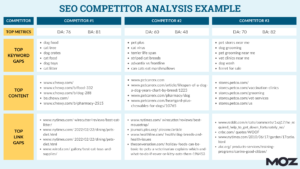
- Identify gaps: Use competitor backlink analysis (Ahrefs, SEMrush, Majestic) to discover which content types attract links in your niche.
- Create unique value: Publish original research (surveys, industry benchmarks) or build free tools and calculators that solve specific problems for your audience.
- Optimize for sharability: Add exportable charts, embeddable widgets, and “cite this data” snippets to encourage linking.
- Promote strategically: Reach out to industry journalists, bloggers, and communities who cite data or publish resource roundups.
- Number of referring domains to the asset
- Referral traffic and time on page
- Media pickups and social shares
- HARO & industry journalist outreach: Respond promptly to relevant pitches as an expert source.
- Newsjacking & data releases: Tie your content to current events or unique internal data to make it newsworthy.
- Executive visibility: Publish op-eds and secure interviews for company leaders on high-authority outlets.
- Craft concise, newsworthy angles and data-backed claims.
- Provide high-quality assets (images, quotes, stats) to increase chances of linkable coverage.
- Use localised angles for regional coverage — ideal for an SEO agency in Edinburgh targeting local press and business directories.
- Domain Authority (or equivalent) of linking sites
- Number of placements and unique domains
- Traffic increases correlated to placements
- Find top-performing articles in your niche and extract the sites linking to them.
- Create a superior resource: more depth, updated data, better visuals, or interactive elements.
- Contact the sites that linked to the original and offer your improved content as an updated resource.
- Prioritise resource pages and roundups from sites that accept updates or feature curated lists.
- Personalise outreach referencing the exact item and explaining why your resource is an upgrade.
- Co-authored whitepapers distributed on partners’ sites
- Joint webinars with partner resources linked from event pages
- Mutual case studies published across partner blogs
- List non-competing yet relevant brands or associations (e.g., technology vendors for a SaaS company).
- Pitch co-created content topics that deliver mutual value and link attribution.
- Use partner networks to secure placements on resource pages and newsletters.
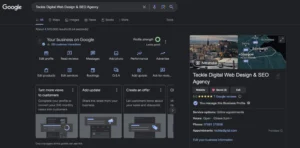
- Ensure NAP (Name, Address, Phone) consistency across directories (Google Business Profile, Yell, Bing Places, industry-specific directories).
- Pursue local media coverage and sponsorships (events, meetups) that generate links from community sites.
- Contribute to local resource pages (council guides, business hubs) where editorial links are common.
- Use schema for local businesses and add structured data to key pages to improve local search features.
- Monitor citations using local SEO tools to fix inconsistencies promptly.
- Identify broken links on authoritative, relevant pages (use tools like Ahrefs’ Broken Link Checker or Check My Links).
- Create or identify existing content on your site that provides a better replacement.
- Reach out to the webmaster with a concise pitch explaining the broken link and offering your resource as an improvement.
- Prioritise authoritative pages that still receive traffic and are maintained by active editors.
- Provide clear evidence the page links are broken and include exact URLs.
- Offer fast-to-implement copy or pull-quote snippets to simplify the editor’s job.
- Target niche publications with engaged audiences (not generalized low-value sites).
- Pitch unique, data-backed topics that align with the editorial calendar of the publication.
- Write comprehensive pieces and include contextual links where they add value to readers.
- Low-quality guest networks or sites designed primarily for link insertion.
- Over-optimized anchor text with exact-match keywords.
- Map creators whose audience aligns with your buyer personas.
- Propose collaboration formats: product reviews, tutorials, co-produced content, or guest appearances.
- Ensure links are included in show notes, description boxes, and partner pages.
- Referral traffic from creator content
- Quality of linking domains and social engagement
- Industry forums and Slack/Discord communities
- Stack Exchange and specialist Q&A platforms
- Reddit AMAs and niche subreddits with strict rules
- Prioritize adding value: post research, templates, or step-by-step solutions.
- Use profile links judiciously and follow community rules about self-promotion.
- Use mention monitoring tools (Google Alerts, Brand24, Mention) to find unlinked references.
- Reach out with a polite request asking for link attribution and provide the exact URL to use.
- Offer additional assets (photos, bios, alt text) to make the update simple for the editor.
- Use a logical internal linking structure to pass authority from high-traffic linking pages to conversion pages.
- Leverage breadcrumb schema and contextual links within content to strengthen topical clusters.
- Regularly audit internal links to fix orphaned pages and improve crawl efficiency.
- Apply relevant schema types (Article, WebPage, LocalBusiness) to help search engines contextualise your pages and highlight them in SERPs.
- Structured data can improve the chance of featured snippets and knowledge panels, increasing the visibility of pages that receive backlinks.
- Fast, accessible pages keep referral visitors on-site and increase the likelihood of secondary links (people linking after reading).
- Use Core Web Vitals and accessibility audits to enhance performance.
- Where possible, acquire links within relevant bodies of text instead of footers or sidebars.
- Contextual links with natural anchor text and surrounding topical content have higher value.
- Referring domains (unique linking sites)
- Domain quality metrics (Ahrefs DR, Moz DA, Majestic TF/CF)
- Organic traffic to pages with new backlinks
- Referral traffic and engagement from linking sites
- Conversions and assisted conversions attributed to referral traffic
- Monthly: new referring domains, placements achieved, and referral traffic trends
- Quarterly: changes in organic rankings for target keywords and conversion impact
- Annually: link profile health, topical authority, and ROI analysis
- Buying links from private networks or click-farms
- Using automated link exchange schemes or mass automated submissions
- Over-optimised exact-match anchor text patterns
- Relying solely on low-authority guest posting networks
- Local media relationships and knowledge of regional publications
- On-the-ground PR opportunities (events, sponsorships, local partnerships)
- Experience aligning off-page SEO with local search signals (Google Business Profile, local citations)
- Access to content, technical and outreach resources that scale link building efforts
- Created a research-backed regional report on commercial disputes in Scotland, including interactive maps.
- Executed a digital PR campaign with local and national press outreach, plus HARO responses from partners.
- Pursued niche guest contributions on legal industry publications and legal aid resource pages.
- Converted unlinked mentions from local directories and partner sites into editorial links.
- +85 referring domains to the campaign asset, including national legal outlets
- Organic traffic up 78% to target pages
- Lead volume increased 60% with improved quality and higher conversion rates
- Audit current backlink profile and competitor links
- Identify 3–5 high-priority content pieces to create or improve
- Map target publications, industry contacts, and local partners
- Produce 2–3 linkable assets (report, tool, or long-form guide)
- Prepare outreach templates, media lists, and press kit materials
- Set up tracking (UTMs, goals, event tracking)
- Execute digital PR outreach (HARO, journalists, niche bloggers)
- Pitch guest posts and co-marketing partnerships
Modern search engines place higher value on quality and context than on sheer link count. This means high authority backlinks from industry-relevant sources and editorially placed links are more valuable than mass low-quality placements.
Key Principles of Effective 2026 Link Building
Proven Link Building Strategies That Still Work in 2026
Below are strategies that produce sustainable links and align with modern search engine guidelines. Each section includes tactical steps, targeting tips, and measurable outcomes.
1. Create Linkable Assets (Pillar Content & Data Studies)
High-quality, original content remains the most reliable way to earn editorial backlinks. Linkable assets include in-depth guides, industry surveys, data-driven studies, tools, and interactive resources.
How to execute:
Measurable outcomes:
Real example:
A mid-size fintech firm published a quarterly payments trend report with machine-readable CSVs and embeddable charts. Within 6 months it earned 120+ editorial links from niche finance sites, industry blogs, and news outlets — significantly boosting topical authority.
2. Digital PR and Thought Leadership
Digital PR combines traditional PR with link building tactics. It focuses on media relations, expert commentary, and newsworthy content that earns coverage and authoritative links.
Tactics:
Best practices:
Metrics:
3. Resource Pages, Link Roundups & Skyscraper Content
Target curated pages and roundups that list the best resources on a topic. Skyscraper content — creating a better, more comprehensive version of a popular resource — still works when combined with targeted outreach.
Step-by-step:
Targeting tips:
4. Strategic Partnerships & Co-marketing
Partnerships with complementary brands or industry organisations generate natural links through joint content, webinars, and reports.
Examples:
How to approach:
5. Local & Niche Citations (Vital for Local Businesses)
For local businesses and those seeking regional visibility — an SEO agency in Edinburgh, for instance — local citations, directories, and community resources still drive meaningful local authority.
Tactics:
Tips:
6. Broken Link Building (With a Modern Twist)
Broken link building is still valuable when executed with quality outreach and modern relevance. The updated approach focuses on genuinely helpful replacements rather than transactional swaps.
Workflow:
Modern best practice:
7. Contributor & Guest Posting (High-Quality, Niche-focused)
Guest posting remains effective when focused on relevant, high-authority publications. The emphasis in 2026 is on contribution quality and topical fit rather than link count.
How to approach:
Avoid:
8. Influencer & Creator Collaborations
Creator partnerships on blogs, podcasts, and video channels earn natural links and drive referral traffic. This strategy is effective for e-commerce, SaaS, and B2B brands seeking topical endorsements.
Implementation:
Metrics:
9. Community & Forum Engagement (Value-driven)
Active participation in niche communities still helps with visibility and links when done authentically. The goal is not link spam but to provide genuine answers that may attract citations and profile links.
Places to participate:
Guidelines:
10. Mentions to Links: Converting Brand Mentions into Backlinks
Unlinked brand mentions are low-effort opportunities. Monitor the web for mentions and request link attribution where appropriate.
Process:
Success rate:
Conversion rates vary, but a polite, value-led outreach often secures a high proportion of links from editorial mentions.
Technical & Tactical Enhancements to Amplify Link Value
Generating links is step one; maximizing their SEO value is step two. Implement these technical measures to boost the effectiveness of acquired backlinks.
Optimize Internal Linking
Use Schema and Structured Data
Improve Page Experience & Speed
Ensure Link Context & Relevance
Measuring Link Building Success
Track outcomes with a combination of link metrics, traffic data, and conversion KPIs. Avoid vanity metrics that focus solely on counts.
Core metrics:
Attribution:
Use UTM tags for campaign-based link building and set up event tracking in analytics platforms to measure downstream impact of referral links on leads and revenue.
Benchmarking cadence:
Common Link Building Pitfalls to Avoid
Avoid practices that create short-term gains but long-term risk:
Search engines in 2026 actively detect manipulative linking patterns and apply penalties; build sustainably and ethically.
How an SEO Agency in Edinburgh Can Help
Working with a reputable SEO agency in Edinburgh (or your local market) brings specific advantages for regional businesses and organisations:
An experienced agency will create a tailored link acquisition plan, combining local strategies with global digital PR and content marketing to secure high authority backlinks aligned with business goals.
Case Study: From Local Visibility to National Authority
Background: A boutique legal firm in Edinburgh wanted to increase leads from high-intent queries like “commercial solicitor Edinburgh” and expand nationally for niche practice areas.
Strategy implemented:
Results (12 months):
Key takeaway: Combining regional relevance with high-quality data and disciplined outreach secured high authority backlinks that converted into measurable business outcomes.
Practical 90-Day Link Building Plan (Step-by-step)
Use this implementation plan to jumpstart sustainable link acquisition.
Days 1–15: Audit & Strategy
Days 16–45: Create & Prepare Assets
Days 46–75: Outreach & Promotions