
Local SEO and Google Maps SEO
Competing for the top spot on Local SEO and Google Maps in Edinburgh can transform footfall, phone calls, and revenue for local businesses. Whether you run a café in Leith, a solicitor’s practice in New Town, or a boutique shop on the Royal Mile, appearing in the top three Google Maps listings (the “Local Pack”) is one of the most valuable organic positions available. This guide explains, step-by-step, how to optimize your Google Business Profile, improve local search signals, and implement practical tactics tailored to Edinburgh’s market to increase your chances of ranking #1 on Google Maps. You’ll learn actionable techniques for on-page and off-page optimization, reputation management, local content, citations, and tracking—plus advice on when to use professional Google ranking services in Edinburgh. Follow this roadmap and start seeing measurable improvements in visibility, clicks, and conversions.

Source: www.amazon.com
Why Ranking #1 on Google Maps Matters for Edinburgh Businesses
Local searches drive highly motivated customers. When someone in Edinburgh searches “best coffee near me” or “plumber Edinburgh,” they typically have purchase intent and expect immediate, local results. Securing the top Maps listing delivers:
-
-
- Higher visibility in the Local Pack above organic results
- More calls, direction requests, and website clicks
- Increased foot traffic for brick-and-mortar locations
- Stronger brand trust via reviews and photos
- Competitive edge in neighbourhood searches (e.g., Stockbridge, Haymarket)
-

Source: www.seroundtable.com
How Google Determines Maps Rankings (Key Ranking Factors)
Understanding Google’s local ranking algorithm helps you prioritize. Google cites three primary factors: relevance, distance, and prominence.
- Relevance — How well your Google Business Profile (GBP) matches the searcher’s intent.
- Distance — Proximity between searcher and business; exact distance is beyond direct control but can be mitigated via service-area settings and local landing pages.
- Prominence — How well-known and credible your business is online and offline (reviews, links, citations, coverage).
Secondary and supporting signals include: category accuracy, keywords in business title (with caution), user engagement metrics, photos and posts frequency, Q&A quality, local backlinks, NAP consistency, review quality/velocity, Google Maps user behaviour, and website technical SEO.
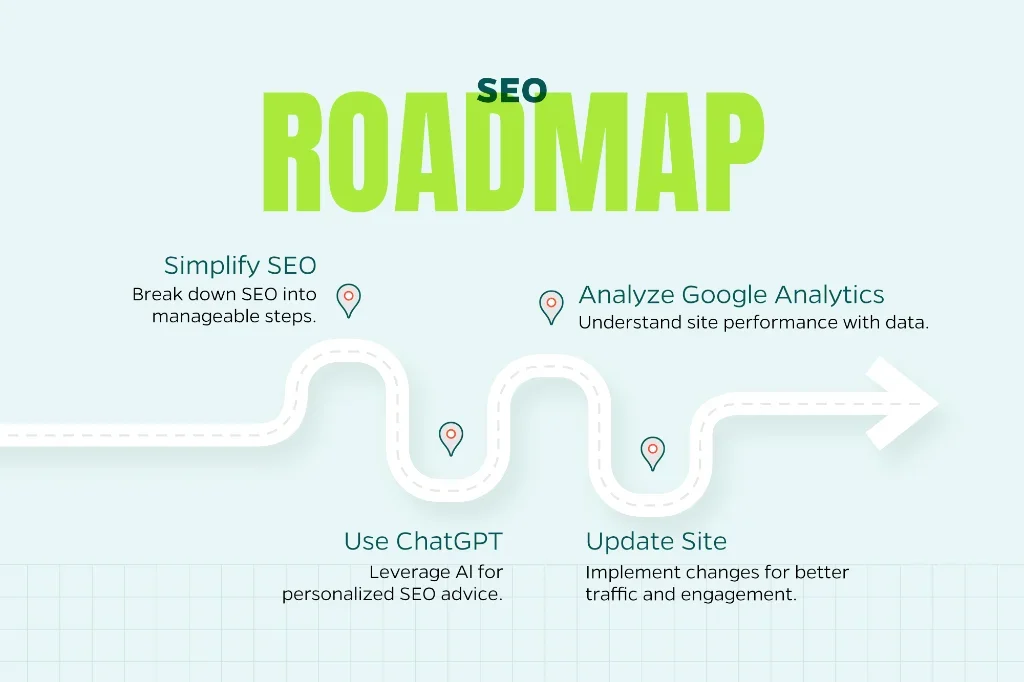
Step-by-Step Roadmap to Rank #1 on Local SEO or Google Maps in Edinburgh

1. Fully Optimize Your Google Business Profile (GBP) / Local SEO Profile
Your GBP is the primary driver of Google Maps ranking. Treat it as a conversion-focused landing page.
- Claim and verify your GBP if you haven’t already. Verification unlocks editing and insights.
- Business name: Use your real business name—do not keyword-stuff. If your legal name includes a location (e.g., “Edinburgh”), that’s fine; otherwise avoid adding “Edinburgh” unless it’s part of your official name.
- Primary and secondary categories: Select the most accurate primary category (e.g., “Cafe,” “Plumber,” “Estate Agent”). Add up to 9 relevant secondary categories that reflect services.
- Business description: Write a concise, benefits-oriented description (750 characters max). Naturally include primary keywords like “Google Maps SEO” sparingly when relevant to services.
- Complete attributes: Add hours, special hours, service options (e.g., delivery, in-person appointments), accessibility features, and payments accepted.
- Service areas and locations: For service-area businesses (plumbers, cleaners), set service zones covering Edinburgh neighbourhoods you serve (Leith, Morningside, Portobello).
- Business hours & holiday hours: Keep accurate, including special events like Hogmanay or Fringe schedule changes.
- Booking/reservation links: Integrate booking URL, phone number, and messaging to reduce friction.
2. Optimize Your GBP Content for Local Relevance
Content on your GBP helps relevance and conversion.
- Photos: Upload high-quality exterior, interior, team, and product/service photos. Aim for 20+ images and update monthly. Use descriptive alt text when possible.
- Videos: Add short 30–60 second videos showing your space, workmanship, or signature products.
- Posts: Publish regular GBP posts—offers, events, new menu items, seasonal promotions. Use local terms like “Edinburgh,” “New Town,” or “Royal Mile” when relevant.
- Services & Menu: List services or menu items with pricing where possible. Provide brief descriptions with local keywords for each service.
- Q&A: Pre-populate FAQs and monitor questions. Answer promptly and use keywords naturally.
3. Build and Manage High-Quality Reviews
Review quantity, recency, and sentiment are powerful prominence signals. For Edinburgh businesses, reviews also reflect local credibility.
- Ask for reviews strategically: Request reviews from satisfied customers via email, SMS, receipts, or QR codes. Include simple instructions and a direct GBP review link.
- Personalize requests: Mention the specific service or visit (e.g., “Thanks for visiting our Leith café—please rate us on Google”).
- Respond to all reviews: Respond publicly to positive and negative reviews within 24–72 hours. Keep responses professional, mention the reviewer’s experience, and include local references where appropriate.
- Manage negative reviews: Offer solutions offline, then follow up publicly to show resolution. Avoid getting into heated exchanges.
- Leverage review schema: Implement review structured data on your site if you host testimonials to boost credibility for other search engines and local directories.
4. Local On-Page SEO: Website & Landing Pages
Your website supports your GBP and drives relevance and prominence. Local landing pages are essential.
- NAP consistency: Display Name, Address, Phone number prominently in site footer and contact pages. Use a local Edinburgh phone number and schema markup.
- Dedicated Edinburgh landing page(s): Create a primary location page (e.g., /locations/edinburgh) and neighborhood pages for high-value areas (Stockbridge, Bruntsfield, Gorgie). Each page should include:
- Unique content describing services specific to the neighbourhood
- Local landmarks and directions (e.g., “one block from Princes Street Gardens”)
- Embedded Google Map with your GBP marker
- Customer testimonials from Edinburgh clients
- Title tags and meta descriptions: Include local keywords: “Plumber Edinburgh | Emergency Plumbing in Edinburgh” with natural language.
- Schema markup: Add LocalBusiness schema with address, opening hours, geo-coordinates, and sameAs links to social profiles.
- Mobile speed and UX: Ensure pages load quickly on mobile—use Core Web Vitals best practices. Many local searches come from mobile devices.
- Local content marketing: Publish blog posts about Edinburgh-specific topics (e.g., “Preparing Your Home for Winter in Edinburgh” or “Top 5 Cafés Near Edinburgh Castle”) to target long-tail local queries.
5. Local Citations & Directory Management
Consistent citations across authoritative local directories and industry sites reinforce prominence.
- Centralise your NAP data: Use a master spreadsheet or tool (e.g., BrightLocal, Moz Local) to track listings.
- High-value local directories: Yell.com, Scoot, Thomson Local, ScottishBusinessDirectory, and local Edinburgh chamber directories. Also list on TripAdvisor (if relevant), FreeIndex, and industry-specific sites.
- Consistency and accuracy: Ensure exact formatting of address and phone across all listings. Avoid typos and variations.
- Citations with backlinks: Where possible, claim listings that include backlinks to your site for extra referral traffic and SEO value.
- Audit and clean duplicates: Find and remove or merge duplicate GBP or directory listings to avoid confusion.
6. Local Link Building and PR
Local backlinks and online mentions improve prominence. Aim for high-quality, local relevancy rather than quantity.
- Local partnerships: Sponsor local events, clubs, or charities in Edinburgh and secure mentions on their websites.
- Local press: Pitch stories to Edinburgh news outlets—The Scotsman, Edinburgh Evening News, or community blogs about new product launches, events, or local initiatives.
- Business directories and associations: Join the Edinburgh Chamber of Commerce and relevant trade associations for credible backlinks.
- Local bloggers/influencers: Invite food bloggers, lifestyle writers, or trade reviewers for reviews and coverage.
- Resource pages: Create locally relevant resources (guides, tools) that other businesses, schools, or councils might link to.
7. Use Google Maps & GBP Features Strategically
Make your GBP the hub of engagement.
- Messaging: Enable messaging to capture leads directly. Respond quickly to build engagement metrics.
- Bookings: Integrate booking services for restaurants, salons, or professional services.
- Attributes & products: Use product listings (retail) and specific attributes (e.g., “Women-Led,” “Outdoor Seating”) to capture micro-intents.
- Questions & Answers: Seed common Q&A items and upvote helpful answers. Monitor and answer customer questions promptly.
- Insights monitoring: Use GBP insights to track how customers find your profile (search queries, discovery vs. direct) and adjust strategy accordingly.
8. Local Paid Strategies to Boost Organic Momentum
Paid channels can accelerate visibility while organic signals build.
- Local Search Ads: Google Local Services Ads (where available) or Performance Max campaigns with location targeting can drive immediate traffic and phone calls.
- Promoted GBP posts: Use Google Ads to promote special offers and drive clicks to GBP or your website.
- Retargeting: Use Facebook and Google remarketing to re-engage local visitors who viewed your site or GBP.
Advanced Tactics Tailored for Edinburgh
1. Leverage Edinburgh-Specific Events and Seasons
Edinburgh has unique seasonal spikes—festivals, Christmas markets, Hogmanay. Align GBP posts, offers, and local content with event calendars to capture increased local and tourist searches.
2. Target Neighbourhood Micro-intents
Create content and GBP service-area targeting for micro-locations: “Princes Street optician,” “Portobello beach yoga classes,” or “Haymarket courier services.” Local phrases often convert better and face less competition than city-wide terms.
3. Capture Tourist and Local Search Intent Separately
Create separate landing pages or service descriptions for tourists (e.g., guided tours, short-stay services) and residents (ongoing services). Use schema and GBP attributes to clarify offerings.
4. Use Scottish English and Local Terms Where Natural
Use natural phrasing common in Scotland—”flat” vs. “apartment,” local area names, and Scots-English terms where appropriate to match search queries and build rapport.
Measuring Success: KPIs and Tracking
Track the right metrics to know if your GBP and local SEO strategies are working.
- Visibility: Map/Local Pack rankings for target queries (use rank-tracking tools geared for local search).
- Engagement: GBP clicks to website, direction requests, phone calls, and messages (from GBP Insights).
- Conversions: Bookings, purchases, leads from local landing pages and phone calls tracked via call-tracking numbers.
- Reviews: Total review count, average rating, new reviews per month.
- Backlinks/citations: Quality and number of local backlinks and citation accuracy rate.
- Website metrics: Local landing page traffic, bounce rate, time on site, and local organic search referrals (Google Analytics with geo-segmentation).
Common Local SEO Mistakes and How to Avoid Them
– Keyword-stuffing your GBP name: Risky and against Google guidelines—use official business name only.
- Duplicate locations: Creating multiple GBP listings for the same location confuses users and Google—consolidate duplicates.
- Inconsistent NAP: Inconsistent formatting across citations undermines trust—standardize formatting.
- Ignoring negative reviews: Leaving complaints unanswered damages reputation—respond and resolve.
- Not using GBP posts or photos: Empty profiles underperform. Regular updates are required.
- Focusing only on price: Competing on price alone lowers perceived value—highlight unique benefits, local expertise, and trust signals.
Case Studies and Real-World Examples
Below are concise, practical examples of tactics that worked for Edinburgh businesses.
Case Study 1: Independent Café in Leith
Challenge: Low visibility despite good word-of-mouth.
Strategy:
- Optimized GBP with accurate categories (“Cafe,” “Bakery”), added 40+ photos, and weekly menu posts tied to seasonal events (e.g., Edinburgh Festival specials).
- Collected reviews via receipts with QR code linking to GBP review form.
- Created neighborhood landing pages focusing on “cafés near Leith Walk” and optimized metadata.
Result: Increased GBP calls by 80% and moved into Local Pack for several “cafés near me” searches within 3 months.
Case Study 2: Edinburgh Plumbing Company
Challenge: Heavy competition for emergency plumbing terms.
Strategy:
- Built service-area pages for each Edinburgh district, added structured LocalBusiness schema, and published blog posts addressing winter plumbing issues specific to Edinburgh tenement buildings.
- Secured links from local housing associations and a sponsorship link from a community event.
- Implemented call-tracking numbers for paid campaigns and organic tracking.
Result: Achieved top-3 Google Maps placement for “emergency plumber Edinburgh” and a 60% uplift in emergency call conversions.
When to Hire Google Maps SEO Services in Edinburgh
Some businesses can implement these tactics in-house; others benefit from professional help. Consider hiring local Google ranking services in Edinburgh if:
- You lack time or internal SEO expertise
- Your competitive landscape is saturated and requires advanced tactics
- You need a faster ramp-up for seasonal demand (e.g., tourism-driven businesses)
- You want ongoing review management, citation auditing, and local PR
Choose an agency with local experience, transparent reporting, and a track record in local search optimization. Ask for case studies specific to Edinburgh, sample KPIs, and a clear scope of work (GBP management, content, citations, backlinking, and tracking).
Local SEO / Google Maps SEO Checklist for Edinburgh Businesses (Actionable)
Use this checklist to implement core tactics quickly.
- Claim and verify GBP; ensure hours, phone, and website are correct.
- Select accurate primary and secondary categories.
- Write a keyword-informed but natural business description and services list.
- Upload 20+ high-quality photos and 1–2 short videos.
- Publish GBP posts weekly and create event-based posts for festivals.
- Optimize website footer with consistent NAP and LocalBusiness schema.
- Create location and neighbourhood landing pages with embedded Google Map.
- Request reviews and respond to every review professionally.
- Claim local directory listings and ensure NAP consistency across all platforms.
- Build local backlinks through partnerships, sponsorships, and community engagement.
- Monitor GBP insights monthly and adjust your strategy based on performance data.
- Track rankings, calls, direction requests, and website clicks to measure progress.
By following this comprehensive guide, you’ll build a strong foundation for Google Maps dominance in Edinburgh. Remember that local SEO is an ongoing process—consistency, quality, and genuine customer engagement will always be the cornerstones of sustainable rankings. Start implementing these tactics today, and you’ll be well on your way to claiming that coveted #1 spot on Google Maps.