
What Does an SEO Agency Actually Do? A Beginner-Friendly Guide for Business Owners in Edinburgh
Introduction
If you run a business in Edinburgh and have started hearing terms like “SEO Agency Edinburgh,” “Technical SEO Services,” or “Content Optimization,” you’re not alone. Search engine optimisation (SEO) is one of the most effective long-term channels for driving qualified traffic, increasing visibility, and growing sales online. But for many business owners, SEO remains confusing: what exactly does an SEO agency do, and how do their services translate into real results for your company?
This article breaks down the role of an SEO agency in clear, actionable terms. You’ll learn the core services offered by SEO agencies, how an SEO consultant in Edinburgh might approach your website, the difference between on-page and technical SEO, realistic timelines and KPIs, pricing models, and how to choose the right partner. Along the way you’ll find practical examples, checklist-style guidance, and a FAQ to address common beginner questions. By the end you’ll understand how SEO services can help your business compete online and how to evaluate agencies and consultants with confidence.

Why SEO Matters for Your Business
– Most online journeys begin with a search engine: Google handles over 90% of the UK desktop search market, and many customers use search to find local suppliers, read reviews, and compare products.
- Organic search drives high-intent traffic: People who find your site via search are often actively researching or ready to buy.
- Compared to paid ads, organic traffic offers compounding returns: Content and technical improvements continue to deliver value long after they are implemented.
- For local businesses in Edinburgh, SEO helps you appear for city-based queries (“builders Edinburgh,” “plumber near me”) and niche searches specific to your services.
- A comprehensive review of your website, content, technical setup, backlink profile, and current search performance.
- A strategy that sets priorities, target keywords, content topics, technical fixes, and KPIs.
- Site health report (crawl errors, indexability issues, site speed)
- Keyword research and mappings (which pages should target which keywords)
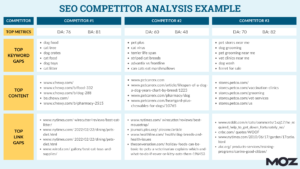
- Competitive analysis (who ranks for your keywords and why)
- A roadmap with phased actions and expected timelines
- Identifying the search terms your potential customers use and matching them to pages on your site.
- Balancing high-volume competitive keywords with long-tail, local, and intent-driven phrases.
- Using tools (e.g., Google Keyword Planner, Ahrefs, SEMrush) and local insight to find relevant keywords like “SEO Agency Edinburgh,” “SEO consultant Edinburgh,” and service-specific phrases.
- Prioritising keywords based on search volume, difficulty, and commercial intent.
- A keyword map linking high-priority keywords to specific pages or new content ideas.
- Recommendations for content optimisation and new page creation.
- Improving existing pages and creating new content that satisfies user intent and search engine requirements.
- Optimising title tags, meta descriptions, headings, and URL structure.
- Ensuring keyword use is natural and supports the page’s intent.
- Enhancing content depth, readability, and usefulness (adding FAQs, local details, images, and structured data).
- Internal linking improvements to guide search engines and users.
- High-quality, well-optimised content tells search engines what your page is about and helps match it to user queries.
- For local businesses, content that mentions service areas, landmarks, and practical details (opening hours, booking process) improves relevance for city-based searches.
- The behind-the-scenes work that makes your site crawlable, indexable, fast, and secure.
- Fixing crawl errors (404s, redirect chains), improving XML sitemaps and robots.txt, and ensuring canonical tags are correct.
- Enhancing site speed (image optimisation, caching, minification, server improvements).
- Implementing mobile-first improvements and responsive design checks.
- Setting up structured data (schema markup) for local business, products, events, reviews.
- Addressing indexability issues (noindex tags, blocked resources).
- Ensuring HTTPS and correct server configurations.
- Technical problems prevent search engines from accessing and understanding your content. A technically healthy site is the foundation for ranking improvements.
- Optimising your online presence for local searches and map results.
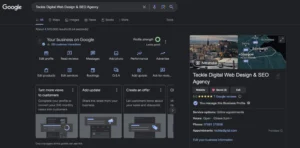
- Claiming and optimising Google Business Profile (GBP) with correct NAP (name, address, phone), categories, photos, and posts.
- Building local citations (consistent listings on directories relevant to Edinburgh and the UK).
- Managing and encouraging customer reviews and responding professionally.
- Creating locally-targeted content (area pages, blog posts about local events or customer stories).
- Local schema markup and geo-targeting where appropriate.
- A strong local SEO presence increases visibility in Google Maps and local search results, driving footfall and calls from nearby customers.
- Improving your site’s authority by earning relevant, high-quality links from other websites.
- Outreach to local and industry sites for guest posts and partnerships.
- Creating link-worthy resources (guides, data reports, tools) that attract natural backlinks.
- PR-driven campaigns to earn coverage and links from news sites and directories.
- Monitoring backlink profile to disavow spammy links if necessary.
- Backlinks remain a major ranking factor. Quality and relevance of linking domains help search engines trust and rank your content.
- Measuring performance, communicating results, and iterating on the strategy.
- Organic traffic trends, keyword rankings, click-through rate (CTR), impressions, and conversions.
- Technical health metrics (site speed, crawl errors).
- Local metrics (GBP views, calls, direction requests).
- A clear commentary on what worked, what didn’t, and next steps.
- SEO is a long-term process. Regular reporting ensures transparency and lets you see return on investment over time.
- Making design and content changes that increase the percentage of visitors who take desired actions (calls, enquiries, purchases).
- A/B testing headlines, calls-to-action, and page layouts.
- Improving contact forms, page speed, and trust signals (testimonials, accreditations).
- Using analytics to identify drop-off points and fix them.
- More traffic is valuable only if it converts. CRO ensures SEO gains translate into business results.
- Acting as a trusted advisor to internal teams: marketing, web development, and leadership.
- Training sessions on SEO best practices for content creators.
- Advice on product launches, site migrations, or CMS changes to minimise SEO risk.
- Strategic input for paid search, social, and PR alignment.
- Integrating SEO into broader marketing and product planning prevents costly mistakes and amplifies results.
- Local knowledge: An Edinburgh-based consultant or agency understands local search patterns, local directories, and the competitive landscape in Scotland.
- Engagement style: Consultants may work on a project or hourly basis; agencies may offer monthly retainers and packaged services.
- Keyword research and competitor benchmarking
- Google Business Profile review and local visibility check
- Address site speed problems and security issues
- Implement urgent on-page improvements (metadata, internal links)
- Implement structured data, publish local guides, and enhance GBP
- Begin targeted link-building campaigns
- Refine link strategy and broaden keyword targets
- Monthly reporting and strategic re-evaluation
- Meaningful organic ranking and traffic growth usually takes 4–6 months for competitive keywords; less competitive, local terms may improve faster (8–12 weeks).
- Full, sustainable results for broad, competitive keywords commonly take 6–12 months or longer. SEO is cumulative.
- Organic sessions and users
- Keyword rankings and visibility
- Click-through rate (CTR) from search results
- Conversions from organic traffic (leads, sales, calls)
- Google Business Profile metrics (views, direction requests, calls)
- Technical health indicators (crawl errors resolved, page speed)
- Return on investment (ROI) and cost per acquisition (CPA) where possible
- Monthly retainer: Common for ongoing strategy, content, and link building. Fees vary widely (£500–£5,000+/month) depending on scope and agency expertise.
- Project-based: Fixed fee for specific tasks (site migration, audit, one-off optimisation).
- Hourly consulting: For ad-hoc advice or training sessions.
- Performance-based: Less common and risky; ties payment to rankings or traffic (be cautious and clarify terms).
- Relevant experience: Have they worked with businesses similar to yours or in the Edinburgh market?
- Transparent reporting: Do they provide clear, regular reports and explain results in plain language?
- Ethical approach: Do they follow white-hat SEO and discourage “quick fix” tactics like link farms or keyword stuffing?
- Technical capability: Can they liaise with your developers or implement technical fixes themselves?
- Case studies and references: Can they show real results and client testimonials?
- Communication and culture fit: Do they explain strategies clearly and align with your business goals?
- Clear pricing and deliverables: Are scope, timelines, and costs documented?
- Lack of transparency: Vague deliverables, no access to analytics or reports.
- Overemphasis on backlinks without strategy: Quantity over quality signals risky tactics.
- High-pressure sales and long, inflexible contracts: You should have flexibility and clear exit terms.
- Claimed and optimised Google Business Profile, added service photos, and set correct categories.
- Created localised service pages with clear CTAs and installation case studies.
- Built local citations on trusted directories and encouraged verified customer reviews.
- A tripling of calls from organic search and a consistent first-page appearance for “electrician Edinburgh” and several long-tail service phrases.
- Performed technical clean-up (site speed, mobile issues).
- Developed a content hub with long-form guides aimed at buyer questions.
- Executed targeted outreach to industry blogs for guest posts and backlinks.
- 150% increase in organic traffic, several high-quality inbound leads from target industries, and measurable improvement in domain authority.
- Start with user intent: Is the searcher looking to buy, compare, learn, or find a local business?
- Structure content for readability: Use headings, short paragraphs, bullet points, and clear CTAs.
- Add unique value: Case studies, original data, FAQs, and local specifics make content stand out.
- Use multimedia: Images, diagrams, and video improve engagement and time on page.
- Optimise meta tags and schema: Help search engines understand and display your content better in SERPs.
- Ensure the site is on HTTPS and serving secure pages
- Create and submit XML sitemap to Google Search Console
- Fix 404s and redirect chains; use 301s for permanent moves
- Ensure mobile responsiveness and test on real devices
- Improve page speed (compress images, server caching, reduce render-blocking scripts)
- Implement structured data for business, products, and local listings
- Check canonical tags and avoid duplicate content issues
- Monitor crawl budget for large sites and ensure important pages are accessible
- Good internal linking helps distribute authority, improves discovery of pages, and guides users to important content.
- Create a clear navigation structure with services and location pages prominent.
- Use contextual links within content to related pages (e.g., linking a service page to relevant blog posts).
- Avoid deep pages tucked behind many clicks; aim for important pages reachable within a few clicks.
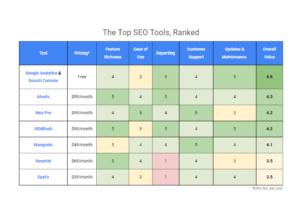
- Keyword tools: Ahrefs, SEMrush, Moz, or Google Keyword Planner
- Technical crawlers: Screaming Frog, Sitebulb
- Page speed/performance: PageSpeed Insights, GTmetrix, WebPageTest
- Local SEO tools: BrightLocal, Whitespark
- Outreach and link monitoring: BuzzStream, Pitchbox
- Social media: Amplify content to reach audiences and earn backlinks.
- PR: Earn backlinks and brand mentions through local press, which also boosts local relevance.
- Email marketing: Repurpose top-performing content and nurture leads captured via organic traffic.
- Give access: Provide Google Analytics, Search Console, CMS, and GBP access for the agency to act.
- Communicate regularly: Weekly or monthly meetings keep strategy aligned with business needs.
- Align content and operations: Ensure you can produce or approve content in a timely manner.
- Measure business impact: Track conversions and phone calls tied to organic traffic.
- “SEO Services” → /seo-services
- “SEO Agency Edinburgh” → /locations/edinburgh-seo
- “Content Optimization” → /content-optimization-guide
- “Technical SEO Services” → /technical-seo
- Google Search Central (developers.google.com/search): technical guidance and documentation
- Bing Webmaster Guidelines (bing.com/webmasters): alternative search engine tips
- Office for National Statistics (ons.gov.uk): data sources for local market context
- Local directories like VisitScotland or Edinburgh Chamber of Commerce for citations and partnerships
- Include screenshots for tool outputs (site audit excerpts) with explanatory captions.
- Provide transcripts for video content and ensure colour contrast and font sizes meet accessibility standards.
- LocalBusiness schema for firm details (name, address, phone, openingHours)
- BreadcrumbList schema for navigational breadcrumbs
:max_bytes(150000):strip_icc()/Term-Definitions_Digital-Marketing-5ae6ea1aee934b02a94a1a4d9401443d.jpg)
Core Services an SEO Agency Provides
Below are the primary activities an SEO agency performs. Agencies differ in how they package these, but almost all reputable agencies offer combinations of the following:
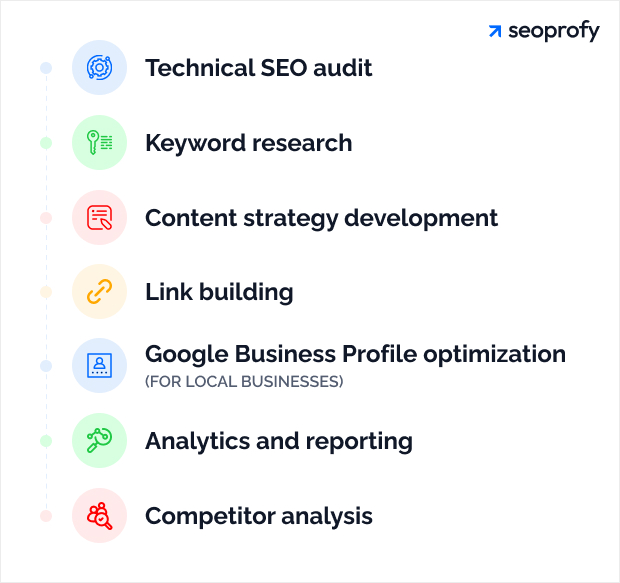
1. SEO Audit and Strategy Development
What it is:
Typical deliverables:
Why it matters:
An audit uncovers the most impactful issues and prevents wasted effort. For example, creating new content while your site has major crawlability problems means search engines may never see it.

2. Keyword Research and Targeting
What it is:
How an SEO Agency approaches it:
Practical output:
3. On-Page Optimization and Content Optimization
What it is:
Key activities:
Why content optimisation matters:
4. Technical SEO Services
What it is:
Common technical tasks:
Why it matters:
5. Local SEO (Vital for Edinburgh Businesses)
What it is:
Essential local SEO tasks:
Why it matters:
6. Link Building and Off-Page SEO
What it is:
Common approaches:
Why it matters:
7. Analytics, Reporting and Continuous Improvement
What it is:
Reporting typically includes:
Why it matters:
8. Conversion Rate Optimization (CRO)
What it is:
Activities might include:
Why it matters:
9. Consultancy, Training and Strategic Advice
What it is:
Typical support:
Why it matters:
How an SEO Consultant in Edinburgh Differs from an Agency
– Scale and scope: A solo SEO consultant often provides personalised, flexible support and may be more affordable for small businesses. An agency typically offers a broader range of services (technical team, content writers, link builders) and can scale work faster.
What a Typical SEO Engagement Looks Like (Phased Approach)
Most agencies use a phased approach. Here’s a practical example you might expect:
Phase 1 — Discovery and Audit (Weeks 1–3)
– Full technical audit and site crawl
Output: SEO strategy document and roadmap
Phase 2 — Quick Wins and Technical Fixes (Weeks 3–8)
– Fix critical crawl errors and indexing issues
Output: Improved site health scores and early gains in traffic/visibility
Phase 3 — Content and Local Optimisation (Months 2–6)
– Create and optimise service pages and local content
Output: Improved rankings for targeted keywords and increased local queries
Phase 4 — Expansion and Conversion (Months 6+)
– Scale content programs, test CRO changes
Output: Sustained organic growth and higher conversion rates
Realistic Timelines and Expectations
– Initial technical fixes and “quick wins” can show improvements in weeks.
How SEO Agencies Measure Success (KPIs)
Common metrics agencies track:
Pricing Models for SEO Services
Agencies and consultants usually price SEO in several ways:
How to Choose the Right SEO Agency or Consultant in Edinburgh
Use this checklist when evaluating partners:
Red Flags to Watch For
– Guarantees of #1 rankings: No reputable agency can guarantee top positions.
Practical Examples and Mini Case Studies
Example 1 — Local Trades Business (Edinburgh)
Situation: A local electrician had a good reputation but minimal online presence. They relied on word-of-mouth and yellow pages listings.
Agency actions:
Results (3–6 months):
Example 2 — Niche B2B Service Provider
Situation: A B2B firm had low traffic and few leads from the site.
Agency actions:
Results (6–12 months):
Content Optimisation: What Good Looks Like
A strong content optimisation approach focuses on user intent, clarity, and depth:
Technical SEO Checklist for Business Owners
Share this with your developer or agency:
Internal Linking and Site Architecture
Why it matters:
Best practices:
SEO Tools Agencies Use (Examples)
– Google Search Console and Google Analytics for performance and troubleshooting
Integrating SEO with Other Marketing Channels
– Paid search: Use SEO keyword data to inform PPC targeting; use PPC to capture immediate traffic while SEO builds.
Common Beginner Questions (FAQ)
Q: How soon will I see results from SEO?
A: Expect small technical and visibility improvements in weeks, measurable traffic and ranking gains in 3–6 months, and solid outcomes in 6–12 months. Local, low-competition keywords can move faster.
Q: Do I need to stop paid ads when doing SEO?
A: No. Paid ads can generate immediate traffic while SEO is working. Many businesses run both channels together.
Q: How much should I spend on SEO?
A: It depends on your goals and competition. Small local businesses may start with a few hundred to a few thousand pounds per month. B2B or national campaigns require larger budgets. Focus on ROI rather than arbitrary budgets.
Q: Can I do SEO myself?
A: Yes, many basics (content optimisation, Google Business Profile, simple technical fixes) can be handled internally. However, complex technical issues, advanced link-building, and large-scale content campaigns benefit from agency expertise.
Q: What if my site gets penalised by Google?
A: A qualified agency will diagnose manual actions and algorithmic penalties, identify problematic links or content, and submit a recovery plan. Prevention (white-hat practices) is better than recovery.
How to Work Effectively with an SEO Agency
– Set clear goals: Leads, sales, brand visibility, or local footfall—define KPI targets.
Internal and External Linking Suggestions
Internal linking suggestions (example anchor text ideas):
External authoritative links to consider including on a company site or content:
Accessibility and Image Suggestions
– Use descriptive alt text for images (e.g., “Edinburgh skyline with business district – SEO Agency Edinburgh office”).
Schema Markup Recommendations
Consider implementing these schema types:
–