
Here is the polished, publication-ready version of your article. All placeholder text has been removed, and the content has been refined for clarity, professionalism, and reader engagement while preserving your original structure and Markdown formatting.
—
The Complete SEO Roadmap for New Businesses in Edinburgh
Starting a new business in Edinburgh is exciting: a thriving cultural scene, internationally recognized universities, and a bustling local economy create fertile ground for growth. But in a city with vibrant competition, being discoverable online is essential. This complete SEO roadmap gives startups and new business owners in Edinburgh a practical, beginner-friendly guide to building an effective SEO strategy that drives local visibility, traffic, and customers. Whether you plan to handle SEO in-house or engage an SEO agency in Edinburgh, this guide walks you step-by-step through research, technical foundations, on-page and off-page tactics, local SEO best practices, measurement, and scaling.
What You’ll Learn
- How to research keywords and choose targets that match your business goals
- How to structure your site, fix technical issues, and make content search-engine friendly
- Local SEO tactics to rank in map packs and attract footfall
- How link building, PR, and partnerships drive authority
- How to measure success and iterate an SEO strategy that grows with your business
- Higher visibility in search results and Google Maps
- More qualified traffic — visitors already expressing intent
- Stronger trust and credibility through authoritative content and reviews
- Lower customer acquisition costs compared with paid ads over time
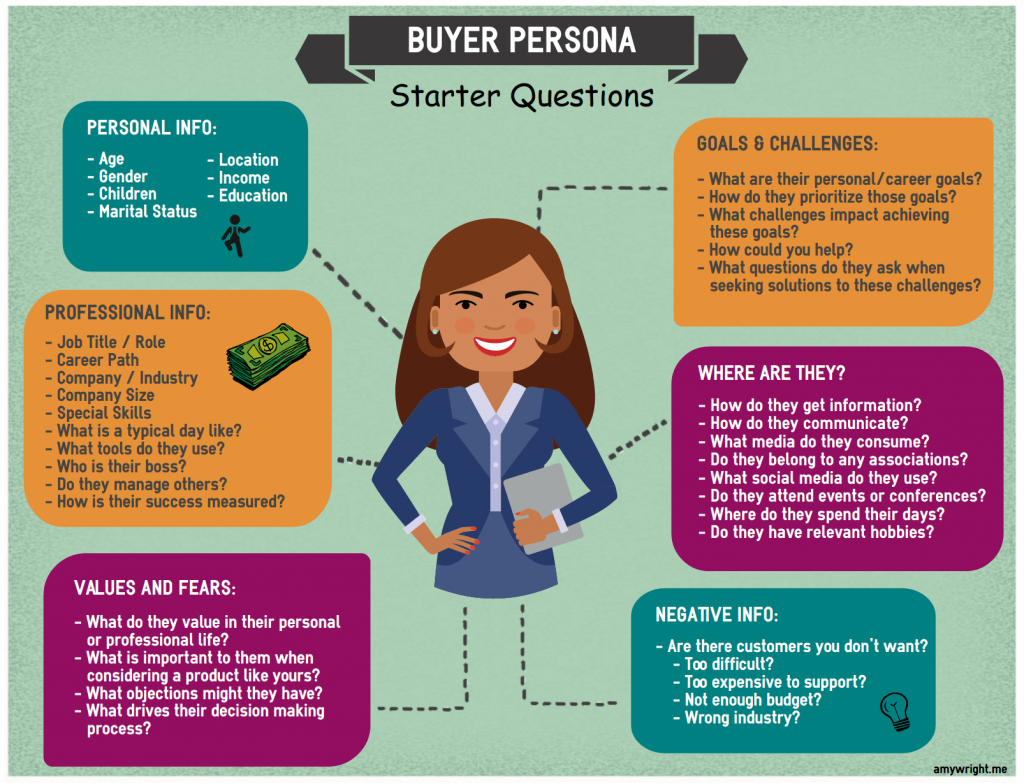
- What are your primary revenue drivers? (Online bookings, in-store sales, lead generation)
- Which locations do you serve? (Leith, Old Town, New Town, city-wide, national)
- Who are your main customer personas? (Students, families, tourists, professionals)
- What is your timeline and marketing budget for growth?
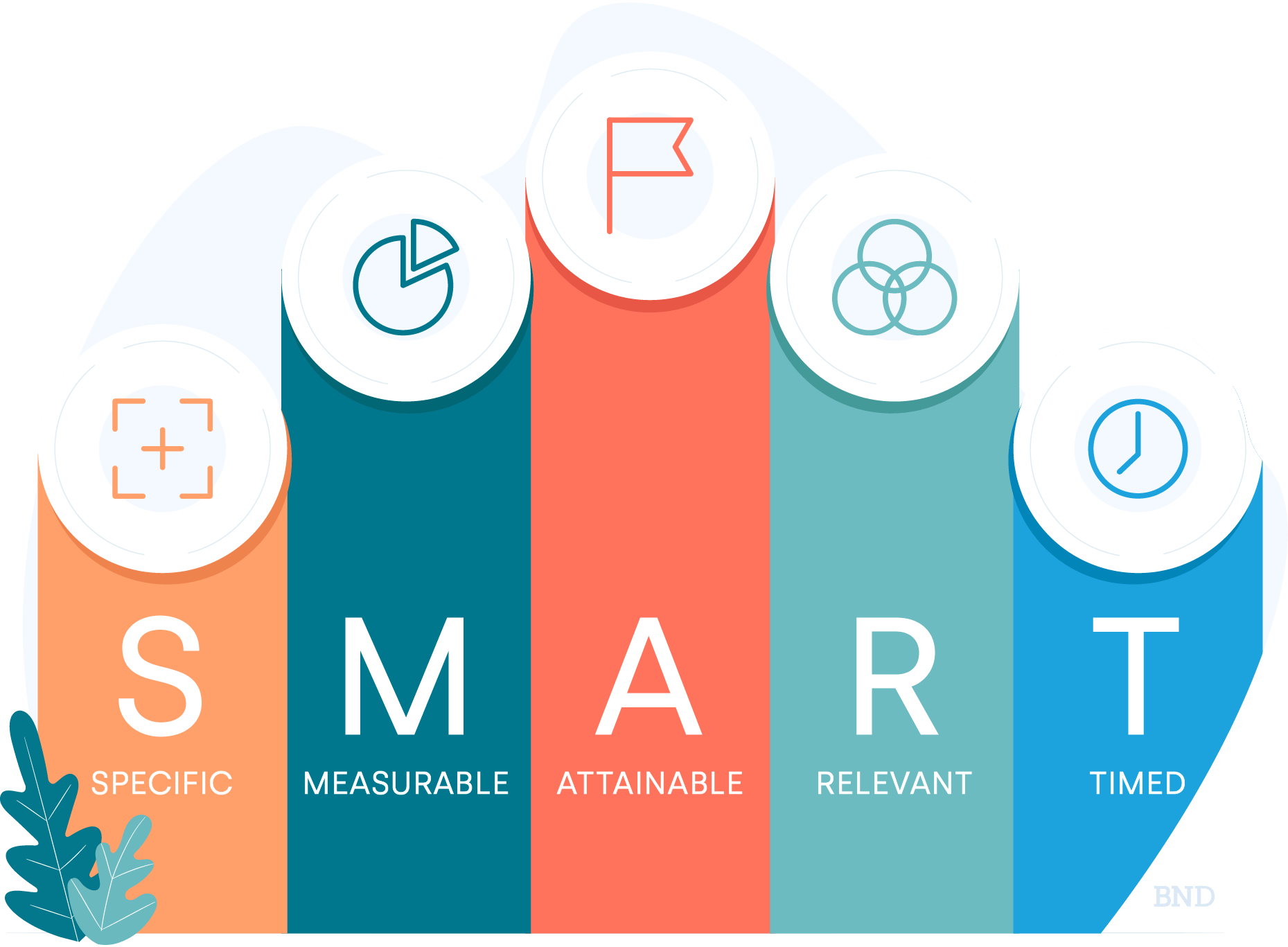
- Rank in the top 3 for “vegan cafe Edinburgh” within 6 months
- Acquire 200 qualified leads monthly from organic search
- Appear in local map pack for “accountant Edinburgh”
- Primary/service keywords: “plumber Edinburgh”, “marketing agency Edinburgh”
- Local modifiers: “near me”, “Leith”, “Morningside”, “EH1”
- Transactional intents: “book”, “buy”, “hire”, “quote”
- Informational/awareness: “how to choose a wedding photographer Edinburgh”
- Start with seed keywords based on services and location: “SEO agency Edinburgh”, “local SEO Edinburgh”.
- Use tools: Google Keyword Planner (free), Ahrefs, SEMrush, or Moz to expand lists and check search volumes and difficulty.
- Analyse local intent with Google Autocomplete, People Also Ask, and related searches at the bottom of SERPs.
- Survey customers or review competitor landing pages to discover language they use.
- Prioritise keywords by intent, opportunity (search volume vs difficulty), and relevance to business goals.
- Secure your site with HTTPS and a valid SSL certificate.
- Ensure mobile-first design and responsive layouts — Google indexes mobile versions.
- Improve site speed: compress images, use modern image formats (WebP), enable server caching, and leverage a CDN if needed.
- Create an XML sitemap and submit it to Google Search Console.
- Implement a clean, crawlable URL structure and use meaningful slugs (e.g., /services/seo-edinburgh).
- Fix crawl errors reported in Search Console and keep a check on indexing issues.
- Use structured data (schema.org) for local business, products, reviews, events to enhance results and support featured snippets.
- Ensure your NAP (Name, Address, Phone) appears consistently in footer and contact pages.
- Use hreflang only if serving multilingual audiences; otherwise keep canonical tags correct.
- Enable server-side redirects for legacy domains and ensure 301 redirects are implemented for moved pages.
- Title tags: include primary keyword and location (e.g., “SEO Agency Edinburgh — SEO Services for Startups”). Keep around 50–60 characters.
- Meta descriptions: compelling, include main keyword and CTA; keep under around 155 characters.
- Headers (H1, H2, H3): structure content logically and include secondary keywords and local modifiers.
- URL structure: short, descriptive, keyword-friendly (e.g., /local-seo-edinburgh).
- Content quality: comprehensive, unique content that answers user intent. Use bulleted lists and short paragraphs for readability.
- Internal linking: connect related pages using descriptive anchor text to pass link equity and guide users.
- Images: descriptive filenames and alt text that include keywords where appropriate — but stay natural.
- Service pages targeting specific offerings and locations (e.g., “Web Design in Edinburgh — Responsive Sites for SMEs”).
- City and neighbourhood landing pages if you serve different parts of Edinburgh.
- Local guides and blog posts answering common questions (e.g., “Best co-working spaces in Edinburgh for freelancers”).
- Case studies and testimonials that show outcomes and social proof.
- FAQ pages optimised for voice search and featured snippets (answer common “how”, “what”, “where” questions concisely).
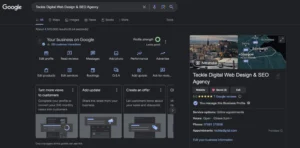
- Google Business Profile (GBP): claim and fully optimise your listing. Use accurate business name, address, phone, business hours, categories, and a keyword-informed description.
- High-quality photos: upload images of your premises, team, products, and services regularly.
- Categories and services: choose primary and secondary categories that describe your core offering; list services with short descriptions and prices when possible.
- Local citations: ensure your business appears consistently across directories (Yell, Yelp UK, FreeIndex, Scoot, TripAdvisor where relevant) with identical NAP details.
- Localised content: produce pages and posts that reference local landmarks, events, or neighbourhoods to signal relevance for Edinburgh-based searches.
- Reviews: proactively gather and respond to customer reviews on Google, Facebook, and industry-specific platforms. Encourage detailed reviews that mention specific services and locations.
- Local links: partner with Edinburgh organisations, universities, blogs, and local news outlets for backlinks and mentions.
- Primary category: pick the most precise category (e.g., “Digital Marketing Agency” instead of generic “Marketing”).
- Attributes: add relevant attributes (e.g., “Women-led”, “Outdoor seating”, “Wheelchair accessible”).
- Posts: use GBP posts to promote offers, events, or new content — they can appear in local search results.
- Messaging and Q&A: enable messaging and monitor Q&A to respond quickly to prospects.
- Pillar 1: Core services pages — thorough and conversion-focused (e.g., “Accounting Services Edinburgh”).
- Pillar 2: Local guides and neighbourhood content — “Best pet-friendly parks near Stockbridge”.
- Pillar 3: Educational content that answers customer questions — “How to register a new business in Edinburgh”.
- Pillar 4: News and events — participate in local events and publish recaps, photos, and lessons learned.
- Long-form articles (1,200+ words) for competitive topics and to target featured snippets.
- Short, actionable posts for local or seasonal topics.
- Video tours, customer testimonials, and behind-the-scenes content to increase engagement and dwell time.
- Infographics summarising local data (e.g., “Edinburgh startup support resources”).
- Include clear CTAs: “Book a free consultation”, “Request a quote”, or “Visit us in Stockbridge”.
- Use trust signals: client logos, awards, membership of local business chambers.
- Implement lead capture: newsletter sign-ups, contact forms, and click-to-call on mobile.
- Partnerships: collaborate with complementary local businesses for joint content, events, or referral programs.
- Sponsorships: sponsor local meetups, sports teams, or university projects and secure links on their sites.
- Local press: pitch stories to The Scotsman, Edinburgh Evening News, or community blogs about unique local initiatives or milestones.
- Resource pages: contribute to or be listed on local resource pages (university resources, council business directories).
- Event listings: list workshops, pop-ups, or webinars on local event platforms and community calendars.
- Ask at the point of service: staff can request reviews after a positive interaction.
- Follow-up emails or SMS with a direct link to your Google Business Profile review form.
- Provide a review workflow: include review links on receipts, invoices, and follow-up messages.
- Incentivise indirectly: promote excellent service rather than offering rewards for reviews (check platform policies).
- Respond promptly and politely; acknowledge the issue and outline steps to resolve it.
- Take complex discussions offline with a private channel (phone or email).
- Showcase improvements publicly if a recurring complaint is resolved to demonstrate responsiveness.
- Organic sessions and users (Google Analytics/GA4)
- Keyword rankings for priority terms and visibility in local packs
- Clicks and impressions from Google Search Console
- Conversions: calls, form submissions, bookings, online sales
- Local metrics: Google Business Profile views, direction requests, phone calls
- Backlinks and domain/URL-level authority (Ahrefs, Moz)
- Google Analytics 4 and Google Search Console (free, essential)
- Google Business Profile dashboard (GBP insights)
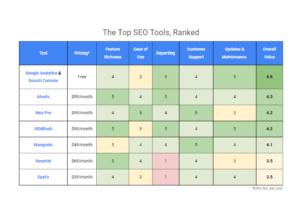
- Keyword and backlink tools: Ahrefs, SEMrush, Moz (choose one based on budget)
- Local citation trackers: BrightLocal or Whitespark
- Site audit tools: Screaming Frog, Sitebulb
- You need rapid results and strategic guidance
- You lack internal SEO expertise or time to implement technical fixes
- You want multi-disciplinary support (content, PR, links, technical)
- You have a small budget and time to learn
- Your business operates in a niche with low competition and simple needs
- You prefer hands-on control of content and local outreach
- Ask for case studies and measurable outcomes from businesses in Edinburgh or similar markets.
- Check transparency: they should share a clear roadmap, reporting cadence, and white-hat tactics.
- Look for local knowledge: an agency familiar with local SEO and local media networks adds value.
- Request references and confirm they follow Google guidelines to avoid penalties.

Why SEO Matters for New Businesses in Edinburgh
Organic search drives a large share of discovery for local businesses. People looking for cafés, lawyers, hairdressers, tech services, or event venues in Edinburgh commonly turn to Google with location-specific queries such as “best cafe near me,” “IT support Edinburgh,” or “wedding venues Edinburgh.” A well-executed SEO roadmap means:
Step 1 — Define Your Business Goals and SEO Objectives
Before any keyword list or technical fix, clarify what success looks like for your business. Your SEO strategy must align with commercial goals.
Questions to Answer
Example objectives:
Step 2 — Keyword Research: Target the Terms That Convert
Keyword research is the foundation of an SEO roadmap. For local businesses in Edinburgh, balance high-intent commercial terms with long-tail queries that match specific services or neighbourhoods.
Types of Keywords to Target
Practical Keyword Research Workflow
Keyword Mapping
Create a keyword map that assigns target keywords to specific pages: homepage, service pages, location landing pages, blog posts, FAQs. This prevents keyword cannibalisation and gives each page a clear purpose.
Step 3 — Technical SEO Foundations
Technical SEO ensures search engines can crawl, index, and render your website. For new businesses, get these fundamentals right to avoid barriers to visibility.
Key Technical Tasks
Local Technical Considerations
Step 4 — On-Page SEO: Content That Ranks and Converts
On-page SEO combines keyword optimisation, user experience, and persuasive copy to convert visitors into customers. For new businesses in Edinburgh, your content should reflect local identity and user needs.
Page-Level Optimisation Checklist
Content Types That Work for New Businesses
Step 5 — Local SEO: Dominate the Map Pack
Local SEO is critical for physical businesses and service providers targeting Edinburgh residents. Ranking in Google’s Local Pack — the top 3 local listings with a map — can dramatically increase visibility and calls.
Local SEO Must-Haves
Optimising Your Google Business Profile
Step 6 — Content Strategy for Local Relevance and Authority
Content is the engine that drives ranking and consumer trust. For a city-focused strategy like local SEO, emphasise local relevance and unique value.
Editorial Pillars and Content Calendar
Content Format Suggestions
Optimising Content for Conversion
Step 7 — Link Building, PR, and Partnerships
Backlinks remain a core ranking factor. For new businesses in Edinburgh, local links and authoritative mentions can accelerate visibility.
Local Link-Building Tactics
Quality Over Quantity
Target links from relevant, high-authority, and locally-relevant sites rather than chasing volume. One high-quality local press mention can outperform dozens of low-quality directory links.
Step 8 — Reviews and Reputation Management
Reviews influence click-through rates, local rankings, and buyer trust. A proactive review strategy helps new businesses compete with established local brands.
How to Gather More Reviews Ethically
Handling Negative Reviews
Step 9 — Measuring SEO Success: KPIs and Tools
Measure what matters. Use a mix of traffic, behaviour, and conversion metrics to evaluate SEO performance and justify investment.
Key KPIs for New Businesses
Recommended Tools
Step 10 — Creating an SEO Roadmap and Timeline
SEO is a marathon, not a sprint. A structured roadmap helps prioritise tasks and allocate resources effectively.
Sample 12-Month Roadmap for a New Edinburgh Business
| Months | Focus | Key Actions |
|---|---|---|
| 0–1 | Foundations | Set goals, claim GBP, basic technical audit, keyword research, initial content, analytics setup |
| 2–4 | On-Page & Local | Publish service pages, optimise GBP, build citation consistency, start local content, gather reviews |
| 5–8 | Authority Building | Local PR, partnerships, targeted link outreach, produce long-form content and case studies |
| 9–12 | Scale & Optimise | Expand content to new keywords/locations, technical improvements, CRO testing, advanced analytics |
Step 11 — Hiring an SEO Agency vs. DIY
Deciding whether to partner with an SEO agency or manage SEO internally depends on your budget, resources, and growth ambitions.