
SEO in Edinburgh: The Complete Local Guide to Ranking Higher in Scotland’s Capital
Search engine optimisation (SEO) in Edinburgh requires a blend of global best practices and local nuance. Whether you’re a small business on Grassmarket, a tourism operator near the Royal Mile, or an agency serving clients across the Lothians, this guide explains how to increase visibility, attract relevant traffic, and convert visitors into customers. You’ll learn the strategic foundations of SEO, Edinburgh-specific tactics, technical and content recommendations, real-world examples, and an actionable roadmap you can implement immediately.
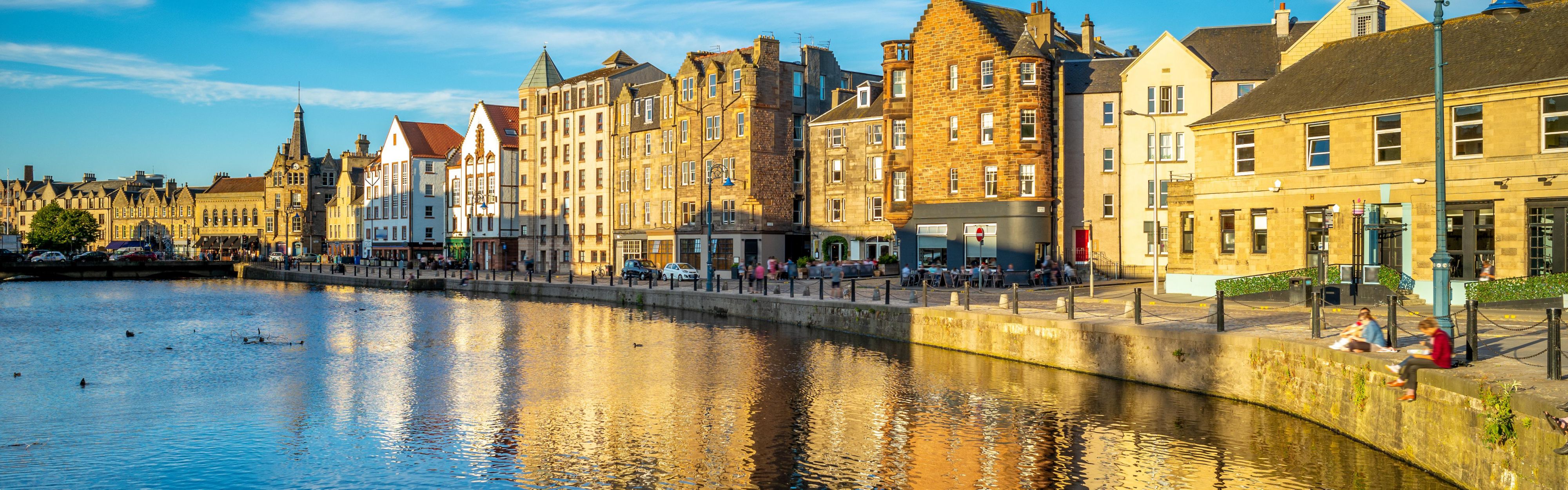
Source: www.ihg.com
Why Local SEO Matters in Edinburgh
Edinburgh is a compact, competitive market with a thriving mix of tourism, education, finance, and creative industries. Local search drives footfall, bookings, and inquiries for many businesses. Consider these key facts:
-
-
-
- Edinburgh hosts millions of visitors annually and has a dense concentration of service businesses (hotels, restaurants, tours, professional services).
- Local intent queries such as “best Scottish breakfast near Princes Street” or “chartered accountant Edinburgh” often convert at higher rates than generic queries.
- Google Business Profile, local citations, and location-specific content strongly influence visibility for “near me” searches in a compact urban area like Edinburgh.
-
-
Outcome: Prioritising local SEO maximises exposure for high-intent searchers who are most likely to convert.

-
-
- Source:
-
How SEO in Edinburgh Differs from Generic SEO
Local search in Edinburgh puts a premium on:
- Location signals — NAP (Name, Address, Phone) consistency, geo-coded pages, and local backlinks.
- Reputation — reviews on Google, TripAdvisor, and Yelp impact rankings and click-throughs.
- Seasonality — visitor spikes during festivals (Edinburgh Festival Fringe, Hogmanay) require campaign planning.
- Local content — guides, neighbourhood pages, and event-based landing pages perform well.
In short, you still need solid on-page, technical, and content SEO, but you must add a strong local layer tailored to Edinburgh’s geography, culture, and search behaviour.

Source: digitalmarketingfirst.co.uk
Core SEO Strategy for Edinburgh Businesses
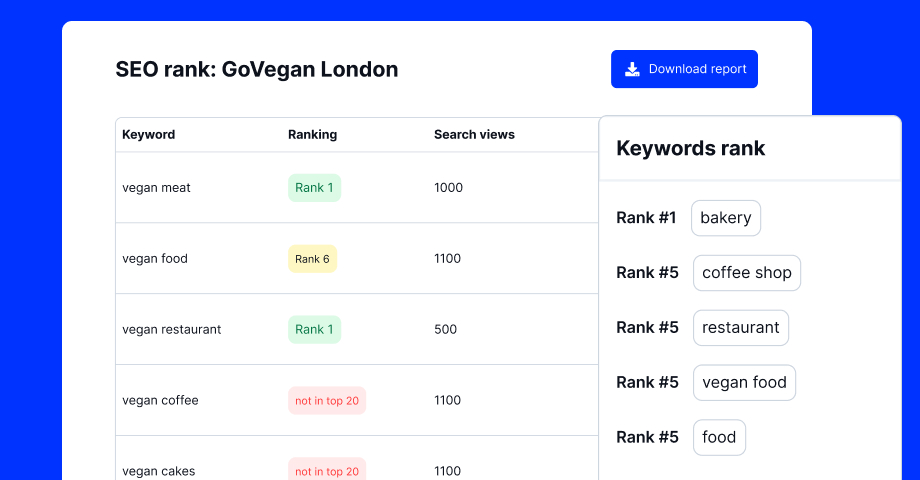
1. Keyword Research with Local Intent
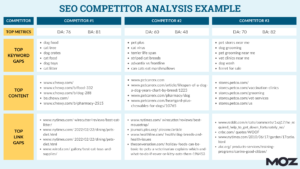
Start with keyword research focused on commercial and local intent. Use tools like Google Keyword Planner, Ahrefs, SEMrush, or Moz combined with Google Search Console data to identify high-value queries.
- Primary keywords (1–2% density target across main pages): “Edinburgh [service/product]”, “near me” variations, and neighbourhood modifiers (Leith, Old Town, New Town).
- Long-tail and conversational queries: “best vegan restaurants in Edinburgh Old Town”, “private tutors near Morningside Edinburgh”.
- Seasonal and event keywords: “Fringe accommodation 2026”, “Edinburgh Christmas markets opening times”.
Example keyword clusters for a boutique hotel:
- Edinburgh boutique hotel
- boutique hotel near Royal Mile
- Romantic weekend Edinburgh
- Edinburgh hotel offers festival season
2. Google Business Profile Optimisation
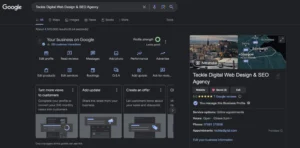
Claim and fully optimise your Google Business Profile (GBP). This is the single most important local SEO asset.
- Use the exact business name, consistent NAP, accurate categories, and service area settings if you are service-based.
- Upload high-quality images: exterior, interior, staff, and signature products. Image alt text should include location where relevant (e.g., “front of boutique hotel near Royal Mile, Edinburgh”).
- Publish posts regularly (offers, events) and use the Q&A feature to answer common questions.
- Encourage and respond to reviews. Aim for prompt, personalised replies that show care and resolve issues professionally.
Local tip: When replying to reviews, include subtle local keywords and the neighbourhood name to reinforce local relevance.
3. On-Page SEO and Location Pages
Optimise core pages with Edinburgh-specific phrases, schema markup, and clear calls to action.
- Title tags and meta descriptions: include “Edinburgh” and a unique selling point (e.g., “family-run”, “historic building”).
- Header structure: H1 for the primary focus, H2/H3 for supporting themes. Use long-tail headings like “How to get to [Business] from Waverley Station”.
- Location pages: Create individual pages for branches or neighbourhoods (e.g., Leith, Stockbridge). Each page should include unique content, local photos, parking/transit details, and testimonials from local customers.
- Local schema: Use LocalBusiness, Organization, or specific subtypes (e.g., Restaurant, Hotel) with structured data for address, opening hours, geo-coordinates, and sameAs links.
4. Content Strategy Focused on Local Authority
Content must be helpful and locally relevant. Develop a topical content hub around Edinburgh-specific topics that map to user intent and the buyer’s journey.
- Hero content: Definitive guides like “The Complete Edinburgh Weekend Guide” or “Best Brunch Spots in Edinburgh by Neighbourhood”.
- Event-driven content: Pre-event guides with ticket links and practical travel information for Fringe, Tattoo, Christmas markets.
- Service landing pages: Optimised for transactional intent (“plumbers in Edinburgh same-day callout”).
- Local resource pages: Partnerships, suppliers, or community involvement that naturally attract local backlinks.
Case study: A tour operator in Edinburgh published a “Fringe Festival Survival Guide” and gained backlinks from tourism blogs, which improved organic visibility for other tour queries and increased bookings during August.
5. Technical SEO for Greater Visibility
Technical health ensures search engines can crawl and index your site efficiently. Key technical areas to prioritise:
- Mobile-first design: Edinburgh searchers often use mobile to find nearby services. Aim for sub-2s load times on mobile.
- Core Web Vitals: optimise Largest Contentful Paint (LCP), First Input Delay (FID)/Interaction to Next Paint (INP), and Cumulative Layout Shift (CLS).
- XML sitemap and robots.txt: ensure location pages are included and blocked pages are correctly annotated.
- Canonical tags: prevent duplicate content across similar location pages.
- HTTPS and secure hosting: a must for trust and minor ranking signals.
- Hreflang tags: if you target international visitors (e.g., UK and US English), use hreflang to serve the correct content variants.
Advanced Local Tactics for Edinburgh Markets
Local Link Building
Build authority through relevant local backlinks:
- Tourism boards and business associations: Edinburgh Chamber of Commerce, VisitScotland local pages.
- Local news sites and blogs: The Scotsman, Edinburgh Evening News, community blogs in Leith or Stockbridge.
- Event partnerships: sponsor or list in festival directories and event round-ups.
- University outreach: collaborate with Edinburgh’s universities for research, internships, or student offers that generate links from .ac.uk domains.
Request links with targeted anchor text (avoid over-optimisation): use brand + service + location combinations like “XYZ Tours Edinburgh” or “Edinburgh web design by [Agency]”.
Reviews, Reputation and Trust Signals
Review signals affect visibility and click-throughs. Best practice:
- Ask customers for reviews at the moment of delight (after service or purchase).
- Use follow-up emails with direct Google review links and clear instructions.
- Address negative reviews promptly and publicly, showing resolution steps.
- Showcase positive reviews on your site with schema (Review markup) to increase the chance of rich snippets.
Citation Management and NAP Consistency
Ensure consistent business information across key directories:
- Primary citations: Google Business Profile, Bing Places, Apple Maps.
- Local directories: Yell, Scoot, Thomson Local, and regional tourism sites.
- Vertical directories: TripAdvisor for hospitality, Houzz for tradespeople, FreeIndex for services.
Use a citation audit tool (BrightLocal, Whitespark) to find and fix inconsistencies. Duplicate listings or mismatched addresses can harm local rankings.
Content Ideas and Local Keywords for Edinburgh
Here are practical content topics and example keywords to target different user intents:
| Intent | Content Idea | Example Keywords |
|---|---|---|
| Informational | Guide to the Royal Mile and nearby attractions | “things to do on the Royal Mile”, “Royal Mile walking tour Edinburgh” |
| Commercial | Service landing pages for trades | “emergency plumber Edinburgh”, “affordable electrician Leith” |
| Transactional | Booking-focused pages for hotels/tours | “book Edinburgh ghost tour”, “spa hotel Edinburgh deals” |
| Seasonal/Event | Edinburgh Festival planning and tips | “Edinburgh Fringe 2026 tickets”, “where to stay during the Tattoo” |
On-Site Conversion Optimisation for Edinburgh Traffic
High-quality traffic is valuable only if it converts. Improve conversions with the following:
- Clear contact options: click-to-call numbers, live chat, and a mobile-optimised contact form.
- Local trust signals: include your Edinburgh address, staff photos, local awards, and partner badges.
- Prominent CTAs: use event-driven CTAs (e.g., “Book Fringe Discount”, “Reserve Street Food Tasting in Leith”).
- Speed and UX: ensure booking flows are quick and simple, reducing friction on mobile devices.
- A/B testing: try headline variations with “Edinburgh” included vs. generic versions to measure local relevance impact.
Measuring SEO Success in Edinburgh
Define KPIs and track progress using a combination of tools:
- Rank tracking: track primary, neighbourhood, and long-tail keywords specific to Edinburgh using localised SERP tracking.
- Organic traffic and conversions: Google Analytics 4 for traffic trends, goals, and conversion paths.
- Google Business Profile insights: phone calls, direction requests, and discovery vs. direct searches.
- Review metrics: number of reviews, star rating, sentiment analysis.
- Local visibility: visibility tools from BrightLocal or Whitespark to compare against competitors in Edinburgh.
Report monthly with action items: progress on rankings, backlink gains, technical fixes completed, and upcoming local content plans tied to events or seasonality.
Common Local SEO Mistakes to Avoid in Edinburgh
- Poor NAP consistency across directories, causing confusion for search engines.
- Using the same content across multiple neighbourhood pages (duplicate content).
- Ignoring Google Business Profile fields and reviews.
- Skipping mobile optimisation despite high “near me” mobile searches.
- Chasing low-quality backlinks instead of relevant local partnerships.
Sample 6-Month SEO Roadmap for an Edinburgh Business
- Month 1: Audit (technical, on-page, GBP), keyword research, and quick wins (fix NAP, claim citations).
- Month 2: GBP optimisation, review solicitation plan, and launch two neighbourhood pages.
- Month 3: Publish cornerstone content (local guide), begin local outreach for links, and implement schema.
- Month 4: Technical improvements (Core Web Vitals), add review schema, and set up local rank tracking.
- Month 5: Seasonal content and PPC alignment for event periods; start A/B testing CTAs on service pages.
- Month 6: Evaluate results, scale successful content, and refine link-building strategy with universities and local press.
Local SEO Tools and Resources Recommended
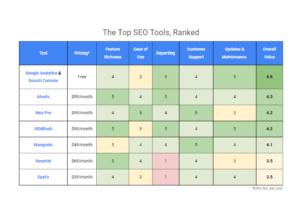
- Keyword and rank tracking: Ahrefs, SEMrush, Moz, BrightLocal
- GBP and reviews: Google Business Profile dashboard, ReviewTrackers
- Technical audit: Screaming Frog, Sitebulb, Google Search Console
- Performance: Google PageSpeed Insights, Lighthouse
- Local citation and audit: Whitespark, BrightLocal
Internal and External Linking Recommendations
Internal linking is essential for distributing topical authority across your site:
- Anchor text suggestions: “Edinburgh roofers” → link to service page; “Royal Mile walking guide” → link to the guide page.
- Use contextual links from blog posts to local landing pages and booking pages to increase conversion potential.
- Include a “Related neighbourhoods” section on each location page linking to others (e.g., “Explore Leith” linking from a central Edinburgh page).
Suggested authoritative external links (open in a new window):
- VisitScotland – https://www.visitscotland.com (tourism authority)
- Edinburgh City Council – https://www.edinburgh.gov.uk (local civic resources)
- Edinburgh Festival Fringe – https://www.edfringe.com (event information)
- University of Edinburgh – https://www.ed.ac.uk (partner and outreach opportunities)
Accessibility, Mobile and Voice Search Optimisation
Edinburgh searches on mobile and voice are common for on-the-move users. Optimise for these behaviours:
- Write concise, conversational content that answers direct questions (voice search-friendly).
- Implement schema for business hours, FAQs, and events to improve chances of featured snippets.
- Ensure WCAG-compliant accessibility: alt text for local images (e.g., “Edinburgh Castle view from Princes Street Gardens”), keyboard navigation, and readable font sizes.
Frequently Asked Questions (FAQ)
How long does it take for local SEO to show results in Edinburgh?
Local SEO improvements can start showing results in 2–3 months for quick wins (GBP updates, citations, on-page fixes). More substantial ranking and traffic gains typically take 4–12 months depending on competition and resources.
Is Google Business Profile more important than my website?
Both are important. GBP drives immediate local visibility and actions (calls, directions). Your website demonstrates full credibility, supports conversions, and captures organic traffic. Optimise both in tandem.
Should I target “Edinburgh” only or specific neighbourhoods?
Target a mix. City-wide keywords capture broad demand, while neighbourhood pages capture high-intent local searches and improve relevance for “near me” queries.
How important are local backlinks?
Very important. High-quality local backlinks from tourism sites, local press, universities, and trade organisations boost domain authority and local relevance.
Edinburgh SEO Checklist
- Claim and optimise Google Business Profile with accurate NAP and categories.
- Perform a technical site audit and fix Core Web Vitals issues.
- Create unique neighbourhood/location pages with local content and schema.
- Publish at least one long-form local guide and periodic event content.
- Implement a review solicitation and response process.
- Conduct local link outreach and partnerships.
- Ensure mobile-first design and voice-search-friendly content.
- Track local rankings, GBP insights, organic traffic, and conversions monthly.
Turning Edinburgh Searches into Customers
SEO in Edinburgh succeeds when technical excellence, local relevance, and user-centric content come together. Prioritise Google Business Profile, create neighbourhood-specific content