
Restaurant SEO: How to Attract More Local Customers
Every restaurant competes for a share of local footfall, phone bookings, and table reservations. But with customers increasingly searching online for “best brunch near me,” “Italian restaurant Edinburgh,” or “takeaway open now,” visibility on search engines and maps determines how many diners walk through your door. This guide explains Restaurant SEO—practical, proven tactics you can implement now to attract more local customers. You’ll learn how to optimise your Google Business Profile, implement Local SEO Edinburgh strategies, structure on-page content, earn and manage reviews, use local marketing channels, measure results, and decide when to work with an SEO company in Edinburgh. The focus is on practicality: checklists, examples, and action steps for owners and managers who want more bookings without jargon or theory-heavy detours.
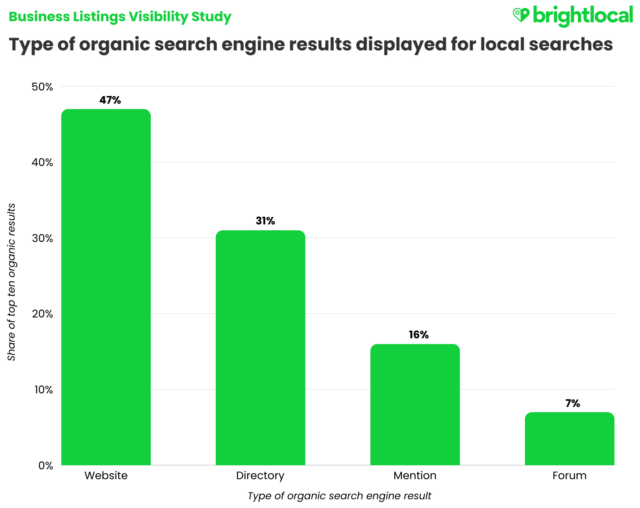
Source: www.brightlocal.com
Why Restaurant SEO Matters
– People search before they dine: 78% of local mobile searches result in an offline purchase within 24 hours (Google data). For restaurants, that’s immediate intent.
-
-
- Visibility drives bookings: Being on page one of Google Maps or local search listings dramatically increases clicks, calls, and reservation completions.
- Local searches are highly targeted: Searches with “near me” or location modifiers (e.g., “Local SEO Edinburgh”) signal strong intent to visit.
- Cost-effective marketing: Compared with paid ads, good local SEO builds long-term organic visibility that reduces per-booking acquisition cost.
-
Core Components of Restaurant SEO
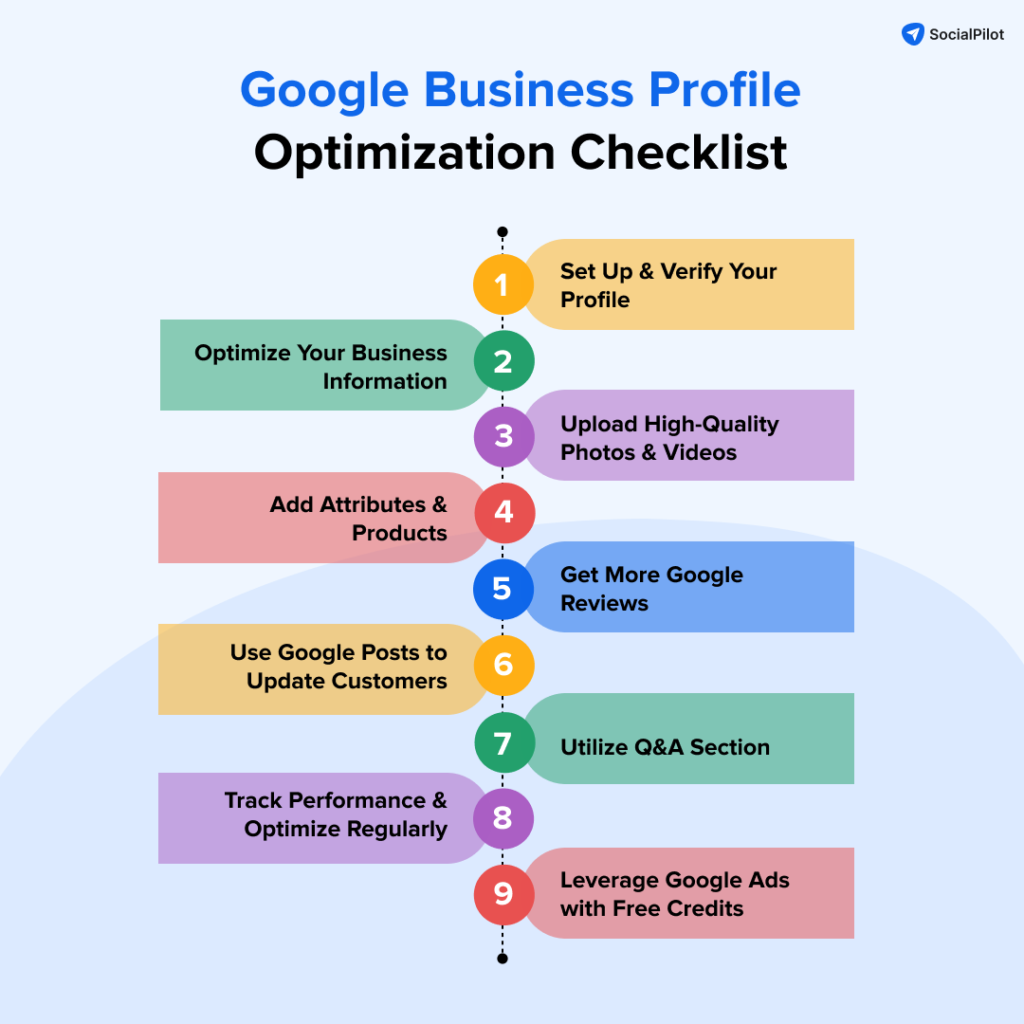
Google Business Profile (GBP) — Your Most Valuable Asset
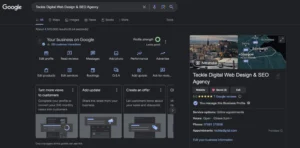
Google Business Profile (formerly Google My Business) is the single most important listing for local restaurants. A complete, optimised GBP influences Map pack rankings, search snippets, and customer conversions.
Google Business Profile optimisation checklist:
-
-
- Claim and verify your GBP listing.
- Use your restaurant’s exact business name consistently.
- Choose a primary category (e.g., “Italian restaurant”) and relevant secondary categories (e.g., “Pizza restaurant,” “Vegetarian restaurant”).
- Add accurate address, service area (if you deliver), phone number, and website URL.
- Set opening hours and update them for holidays and special events.
- Write a concise, keyword-rich business description (avoid keyword stuffing).
- Upload high-quality photos: exterior, interior, menu items, staff, and a logo. Aim for 20+ images and update monthly.
- Use GBP Posts to promote daily specials, events, and limited-time menus.
- Enable bookings via integrated reservation providers or link to your booking page.
- Add menu items and prices if supported; use structured menu data on your website too.
- Monitor and respond promptly to reviews and questions.
-
Why GBP works: It feeds both Google Search and Maps and is often the first touchpoint. Listings with complete profiles, frequent updates, and high-quality photos get more clicks.
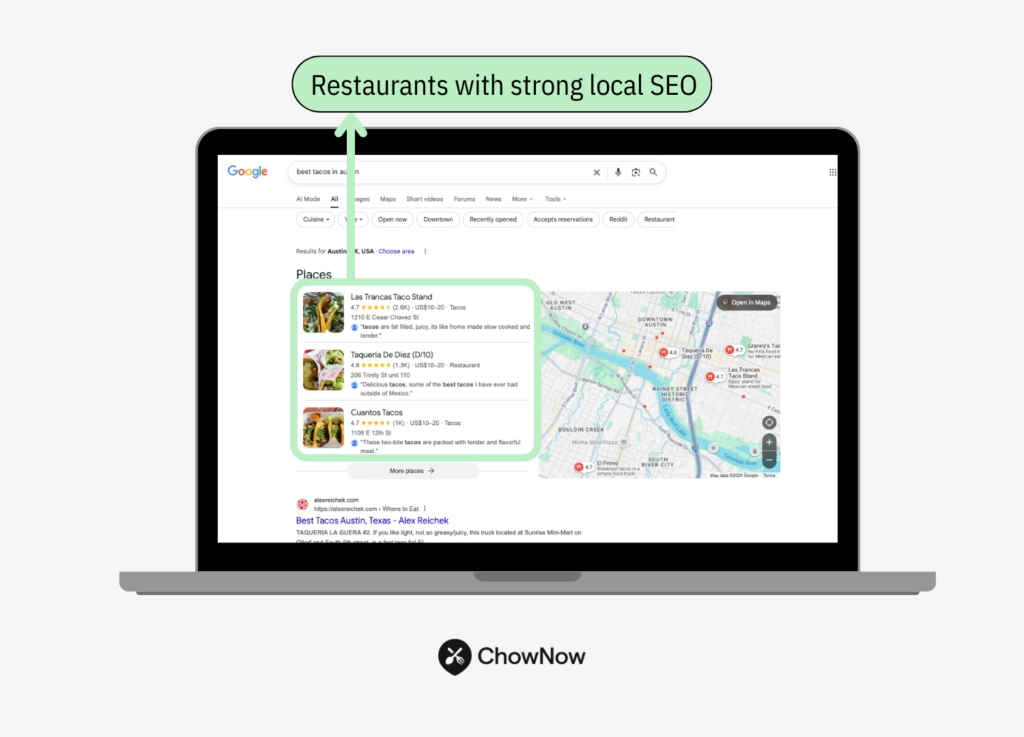
Local SEO On-Page: Website Optimisation for Nearby Diners
Your website should be fast, mobile-friendly, and structured for local search. Google evaluates both relevance and proximity for local packs, plus on-site signals for organic results.
On-page checklist:
-
-
- Title tags and meta descriptions: Include location + cuisine (e.g., “Contemporary Scottish Dining in New Town, Edinburgh | [Restaurant Name]”).
- Headers (H1–H3): Use location-based modifiers in H2/H3 where natural (e.g., “Why Our Edinburgh Brunch Stands Out”).
- Homepage: Include NAP (name, address, phone) in structured text and footer. Use schema markup for LocalBusiness/Restaurant.
- Contact page: Embed a Google Map, include the full address, parking/public transport notes, and a short directions paragraph.
- Menu pages: Use crawlable text for menus, not images only. Offer downloadable PDFs but ensure an HTML menu page for SEO.
- Schema markup: Implement LocalBusiness and Menu schemas; use JSON-LD with accurate opening hours, cuisine, priceRange, and sameAs links.
- Mobile speed: Aim for under 3 seconds load time; optimise images, use caching, and a lightweight responsive theme.
- Internal linking: Link from service pages (e.g., private dining) to booking/reservation pages and menu pages with anchor text like “Book private dining in Edinburgh.”
- Image SEO: Use filenames and alt text with descriptive, local keywords (e.g., “edinburgh-seafood-chowder.jpg”).
-
Content That Attracts Local Searchers
Create content that answers local queries and showcases what makes your restaurant unique.
Content ideas:
- Local landing pages: If you serve multiple Edinburgh neighbourhoods, create pages targeting “Restaurant in Leith,” “Restaurants near Edinburgh Old Town,” etc.
- Blog posts: “Best Edinburgh Date Night Restaurants,” “How We Source Local Scottish Ingredients,” “Guide to Vegan Options in Edinburgh.”
- Event pages: Create pages for Burns Night, Hogmanay menus, or weekend brunch specials tied to specific dates and local search terms.
- FAQ sections: Address common questions like parking, dietary options, group bookings, and accessibility—this helps with voice search.
- Community content: Partner with local suppliers and write case studies (e.g., “How Our Beef Supplier in the Borders Raises Cattle Sustainably”).
Local Link Building & PR for Restaurants
Local backlinks and mentions signal authority and relevance to search engines. Focus on relevant, high-quality sources.
Proven link strategies:
- Local directories: Ensure consistent listings in reputable local directories (Edinburgh-specific guides, tourism sites, and food platforms).
- Food bloggers and influencers: Host tastings or invite local food writers; offer exclusive previews in exchange for honest coverage.
- Local partnerships: Sponsor events, collaborate with nearby theatres or hotels, and get listed on their partner pages.
- Press releases: Announce major menu launches, chef hires, or events to local news outlets and hospitality trade publications.
- Guest posts and features: Write for local lifestyle blogs about food trends, sustainability practices, or recipe features with a link back to your site.
Examples and Small Case Study
A gastropub in Stockbridge optimised its GBP, added a page for “Stockbridge Sunday Roast,” and reached out to a local food blogger. Result: Map pack appearance for “Sunday roast Stockbridge” within six weeks, leading to a 25% increase in weekend bookings.
Reviews, Ratings, and Reputation Management
Reviews are both ranking signals and conversion drivers. A positive review profile builds trust and influences click-through rates.
Review strategy:
- Ask for reviews: Train staff to ask diners for reviews after positive experiences; include QR codes on receipts linking to GBP and TripAdvisor review pages.
- Make reviewing easy: Use short links (bit.ly) and a “Review us” button in follow-up emails.
- Respond to all reviews: Thank positive reviewers and address negatives constructively. Timely responses show care and can recover lost customers.
- Monitor review sites: Track Google, TripAdvisor, Yelp, Facebook, and delivery platforms. Use a review management tool if volumes are high.
- Highlight reviews on your site: Add a rotating testimonials widget or a “What diners say” section.
- Use negative feedback as insight: Common complaints about timing, allergies, or staff can fuel operational improvements that boost repeat visits.
Local Marketing Channels That Complement Restaurant SEO
SEO works best alongside other local marketing tactics. Use a mix of channels to drive bookings and strengthen local signals.
Channels to integrate:
- Social media: Post regularly on Instagram and Facebook with geotags, local hashtags, and event promos. Use Stories for real-time offers and reservations.
- Email marketing: Build and segment a mailing list (regulars, event attendees, loyalty members). Send targeted emails: weekday specials, private dining offers, or chef’s table announcements.
- SMS promotions: For last-minute table fills, run SMS campaigns to subscribers with limited-time deals.
- Local paid ads: Use Google Local Services Ads (where available) and geographically-targeted search or social ads for high-intent queries (“book Edinburgh brunch tonight”).
- Partnerships: Offer discount codes to nearby hotels and collaborate on package deals with local tourist attractions.
- Offline to online: Encourage table-side signups, loyalty cards with QR codes linking to your site, and in-venue promos for Instagram check-ins.
Technical SEO Essentials for Restaurants
Technical optimizations ensure search engines can crawl, index, and serve your content.
Technical checklist:
- Mobile-first design: Over 60% of searches for restaurants happen on mobile devices; ensure a fast, responsive site.
- SSL certificate: Use HTTPS for security and trust.
- XML sitemap and robots.txt: Keep them clean and submitted to Google Search Console.
- Structured data: Implement JSON-LD for Restaurant, Menu, and LocalBusiness.
- Canonical tags: Prevent duplicate content issues across multiple menu pages or print URLs.
- Pagination and filtering: Ensure menu filters don’t create indexable duplicate pages; use noindex or canonical when appropriate.
- Monitor crawl errors and performance in Google Search Console and fix 404s or server errors promptly.
Measuring Success of Restaurant SEO — Metrics That Matter
Track these KPIs to see how your Restaurant SEO efforts are performing.
Primary KPIs:
- Organic search traffic to menu, reservation, and contact pages.
- Map pack impressions and clicks in Google Search Console and GBP insights.
- Phone calls and direction requests from GBP.
- Booking conversions (reservations completed via website/third-party integrations).
- Review volume and average rating.
- Local keyword rankings (e.g., “best seafood Edinburgh,” “private dining Edinburgh”).
- Revenue per channel: bookings from organic search vs. paid/social.
Tools to use:
- Google Analytics (GA4): Track on-site behaviour and conversions.
- Google Business Profile Insights: Monitor views, clicks, calls, and photo views.
- Google Search Console: Track queries, impressions, and indexing issues.
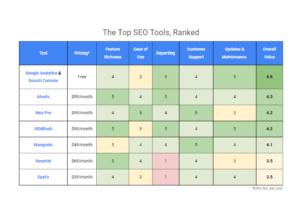
- Local rank trackers: Tools like BrightLocal, Moz Local, or SEMrush’s Position Tracking for local keyword visibility.
- Review monitoring: Reputation platforms or simple spreadsheets for manual tracking.
Pricing SEO Work for Restaurants — DIY vs Agency
Decide whether to handle SEO in-house or hire help. If you’re in Edinburgh and searching for an SEO company, know what to expect.
DIY pros:
- Lower cost and direct control.
- Immediate implementation of basic fixes (GBP, menu pages, images).
- Good for small operations with limited budgets.
DIY cons:
- Time-consuming and requires ongoing attention.
- Advanced technical fixes, schema, and link acquisition can be challenging.
Agency pros:
- Expertise in local and technical SEO, schema, and content strategy.
- Access to tools and analytic capabilities.
- Scalability for multi-location restaurants.
Agency cons:
- Cost (monthly retainers vary widely).
- Need to vet agencies for hospitality experience and local knowledge, especially in Edinburgh.
What to look for in an SEO company in Edinburgh:
- Proven local restaurant clients and case studies.
- Transparent reporting and clear KPIs tied to bookings.
- Familiarity with Edinburgh’s neighbourhoods and tourist seasons.
- A clear plan for GBP optimisation, local link-building, and content.
- No guarantees for specific rankings—avoid agencies promising “#1 on Google.”
Typical monthly budgets:
- Basic local SEO (GBP, citations, on-page fixes): £400–£900/month.
- Mid-tier packages (content, link outreach, reputation management): £900–£2,500/month.
- Comprehensive national/local hybrid (multi-location, heavy content): £2,500+/month.
Advanced Local Restaurant SEO Tactics for Competitive Markets
When competition is fierce, use secondary tactics to edge ahead.
Advanced tactics:
- Hyper-local landing pages: Create pages for neighbourhoods, events, and nearby landmarks (e.g., “Restaurants near Edinburgh Castle”).
- Optimise for voice search: Use question-based content (“Where can I find the best seafood near Old Town, Edinburgh?”) and short, direct answers.
- Leverage schema for events and offers: Structured event markup for ticketed dinners or tasting menus can earn rich results.
- Booking engine integration with trackable UTM codes: Attribute reservations reliably to organic searches.
- Google Maps optimisation: Encourage photo uploads by customers, answer Q&As on GBP, and add menu items with photos.
- Use Google Ads Local Campaigns to support slow periods, targeted by radius and schedules.
Practical 90-Day Plan: Implement Restaurant SEO Fast
A step-by-step plan to make measurable progress in 90 days.
Days 1–14: Foundations
- Claim/verify GBP; complete all fields and categories.
- Audit website: speed, mobile, schema, sitemap, and indexability. Fix critical issues.
- Ensure NAP consistency across site and main directories.
Days 15–45: On-Page & Content
- Optimise title tags and meta descriptions for key pages.
- Create or update menu pages with crawlable text, prices, and photos.
- Publish 1–2 localised blog posts (e.g., “Top Edinburgh Brunch Spots Near [Neighbourhood]”).
Days 46–75: Local Signals & Reviews
- Implement review-generation system (table cards, email follow-ups, QR codes).
- Reach out to 5 local bloggers/influencers and host a tasting.
- Build 10–20 accurate local citations and directory listings.
Days 76–90: Measure, Iterate, and Expand
- Review analytics: bookings, calls, and GBP insights. Compare to baseline.
- Tweak content and GBP based on queries and performance.
- Plan next 90 days: more content, targeted ads for slow nights, seasonal promotions.
Sample On-Page SEO Workflow for a Menu Page
Step-by-step for one high-value page (e.g., “Sunday Roast in Stockbridge, Edinburgh”).
- Keyword research: Target “Sunday roast Stockbridge,” “Sunday roast Edinburgh Stockbridge,” and related long-tail terms.
- Title tag: “Sunday Roast Stockbridge, Edinburgh | [Restaurant Name]”
- Meta description: A concise call to action with location and booking prompt.
- H1: “Sunday Roast in Stockbridge, Edinburgh”
- Intro paragraph: 40–60 words with local signals (neighbourhood, nearby landmarks).
- Menu details: List roast options, sides, prices, and dietary marks.
- Structured data: Add Menu and LocalBusiness schema with priceRange.
- CTA: A prominent booking button and phone number (click-to-call).
- Internal links: Link from the homepage, events page, and reservations page.
- Local backlink outreach: Contact neighbourhood guides to list the offering.
FAQs (Optimised for Voice and Snippets)
Q: How long does it take for restaurant SEO to show results?
A: You can see local improvements (GBP visibility, more calls) in 4–12 weeks with consistent work. Significant organic ranking improvements typically take 3–6 months depending on competition and resources.
Q: What’s the difference between Google Business Profile and Google Maps?
A: Google Business Profile is the listing platform that feeds information to Google Maps and Google Search. Optimising GBP directly affects how your restaurant appears in Maps and local search results.
Q: Should I remove old negative reviews?
A: You can reply professionally and request clarifications; only policy-violating reviews can be flagged for removal. Use negative feedback to improve operations and demonstrate responsiveness publicly.
Q: How many keywords should I target for local SEO?
A: Focus on 10–25 highly relevant local keywords and several long-tail variations (e.g., “vegan brunch Edinburgh New Town”) and create targeted pages or content for the highest-intent terms.
Q: Is a booking widget necessary?
A: A booking widget reduces friction and increases conversions. Ensure the widget is mobile-friendly, fast, and integrates with analytics and your reservation attribution.
Internal and External Link Suggestions
Internal link suggestions:
- Link “Menu” pages to a reservation page with anchor text “Book a table.”
- Link event posts to the homepage and the contact page with anchor text “Reserve your spot.”
- Link supplier or sustainability posts to an “About Us / Our Suppliers” page using anchor text “locally sourced ingredients.”
External link recommendations:
- Link to VisitScotland’s Edinburgh guide for tourist context (external authoritative tourism resource).
- Reference UK government food hygiene guidance or Food Standards Scotland for regulatory credibility.
- Cite Google’s own help pages on Google Business Profile and local search for best practices.
Image Alt Text and Accessibility Suggestions
– Alt text examples: “Front entrance of [Restaurant Name] in New Town Edinburgh,” “Chef plating smoked haddock chowder Edinburgh,” “Interior dining room with Edinburgh skyline view.”
- Use descriptive alt text for menu item photos including ingredients and local references.
- Provide text transcripts for video content and ensure all site navigation is keyboard accessible.
Schema Markup Recommendation (JSON-LD Snippet Guidance)
Implement LocalBusiness and Restaurant schema with the following fields:
- @type: Restaurant
- name, address (postalAddress), geo (latitude and longitude)
- telephone, url, openingHoursSpecification
- priceRange, servesCuisine, menu (URL)
- sameAs: social profiles
Social Sharing and Promotion Tips
– Add Open Graph tags and Twitter Card metadata to boost shared post appearance.
- Create shareable content: recipe videos, behind-the-scenes chef stories, local sourcing features.
- Encourage user-generated content with a branded hashtag (e.g., #[RestaurantNameEdinburgh]) and run monthly giveaways for tagged posts.
Common Restaurant SEO Mistakes to Avoid
– Incomplete Google Business Profile fields or inconsistent NAP across directories.
- Using images without alt text or with excessive file size, slowing load times.
- Hiding menus in images only, making them invisible to search engines.
- Ignoring reviews or responding poorly to negative feedback.
- Over-optimising with keyword stuffing rather than natural, visitor-focused content.
- Neglecting mobile UX and slow reservation forms.